
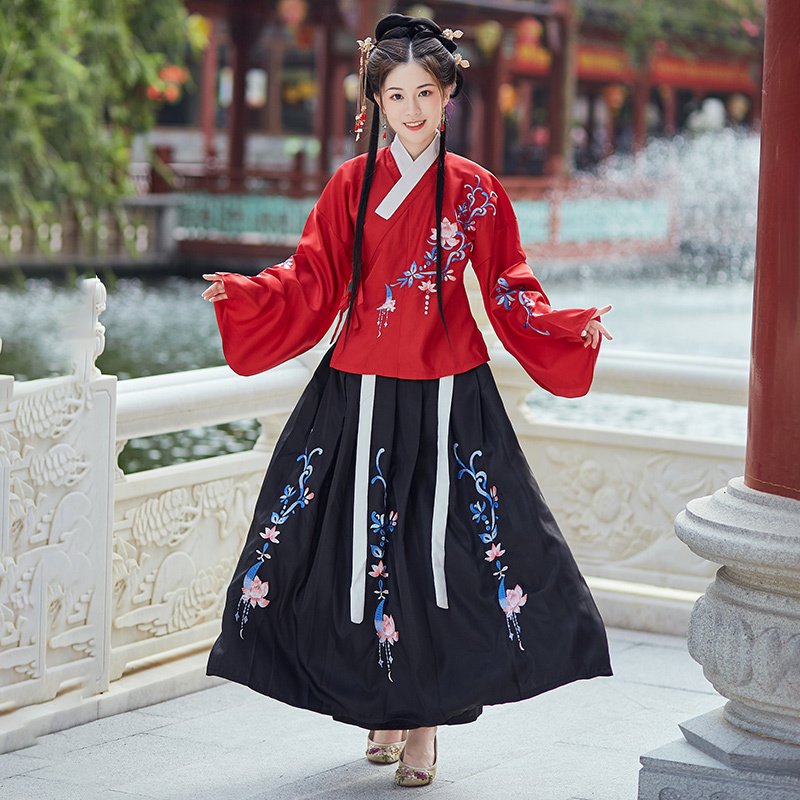
Is it OK to wear hanfu for cosplay?
Cosplaying has become a worldwide phenomenon, allowing individuals to embody their favorite characters and showcase their creativity. With the rise […]
Cosplaying has become a worldwide phenomenon, allowing individuals to embody their favorite characters and showcase their creativity. With the rise […]
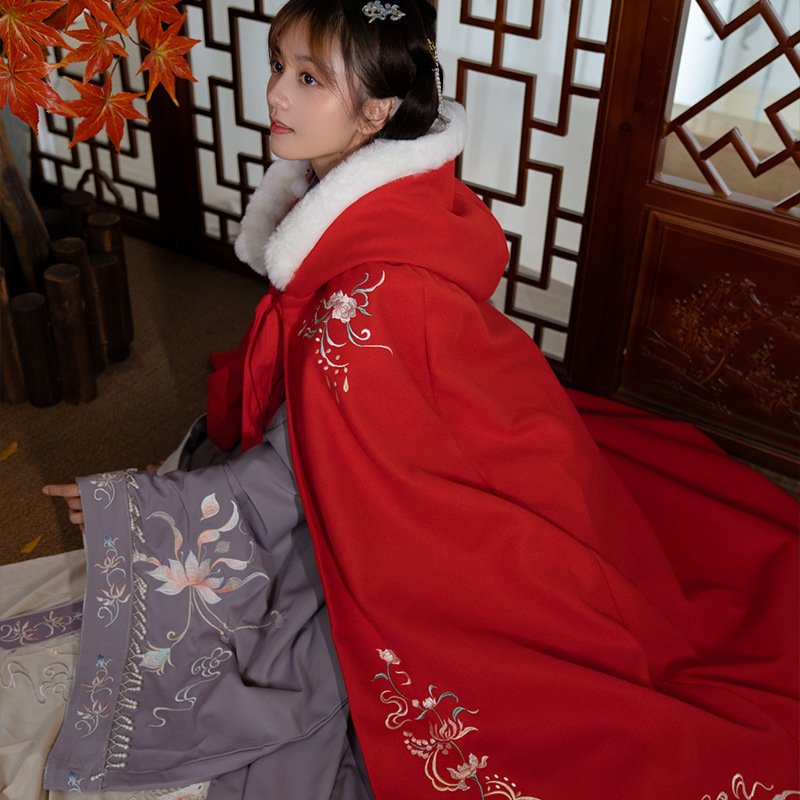
Hanfu, the traditional attire of the Han Chinese, embodies the elegance, grace, and cultural essence of ancient China. With a

Hanfu, the traditional clothing of China, encompasses a vast array of styles, each with its own distinct features and historical
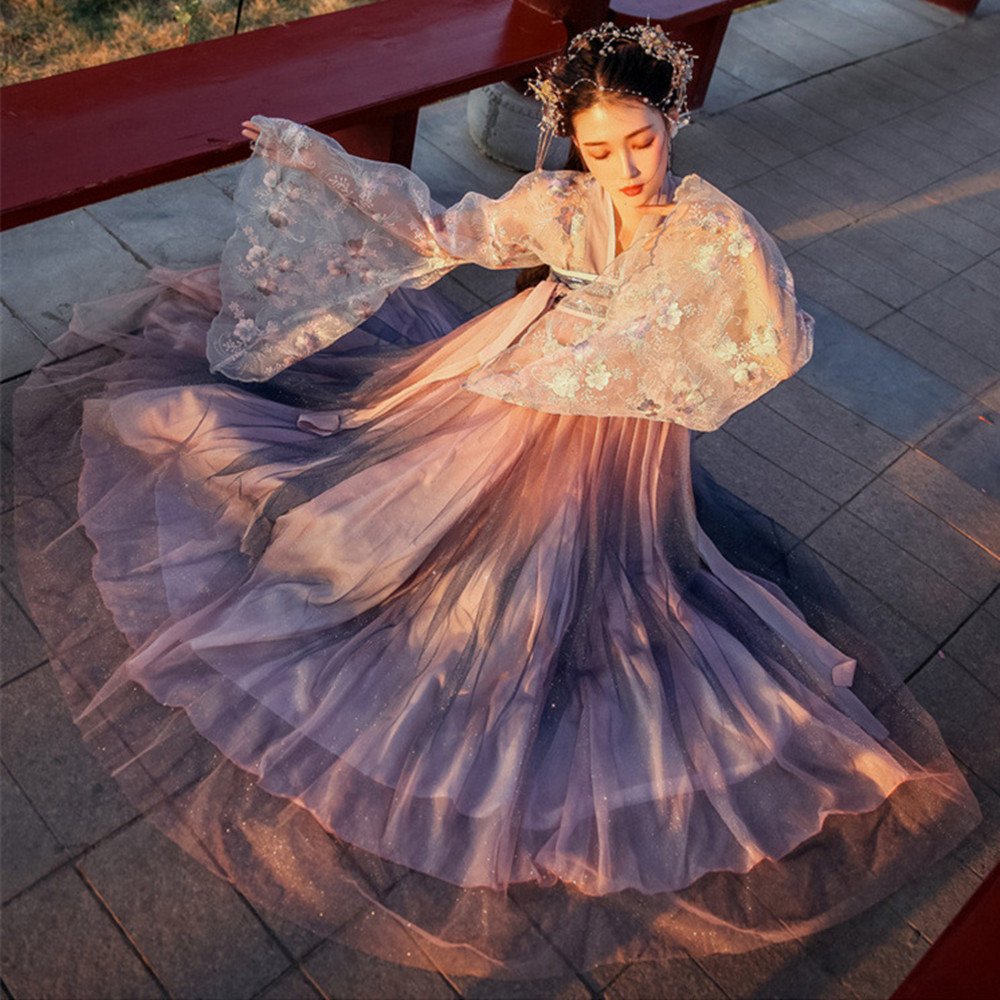
When it comes to traditional attire, China’s Hanfu and Korea’s Hanbok are two exquisite examples of the rich cultural heritage
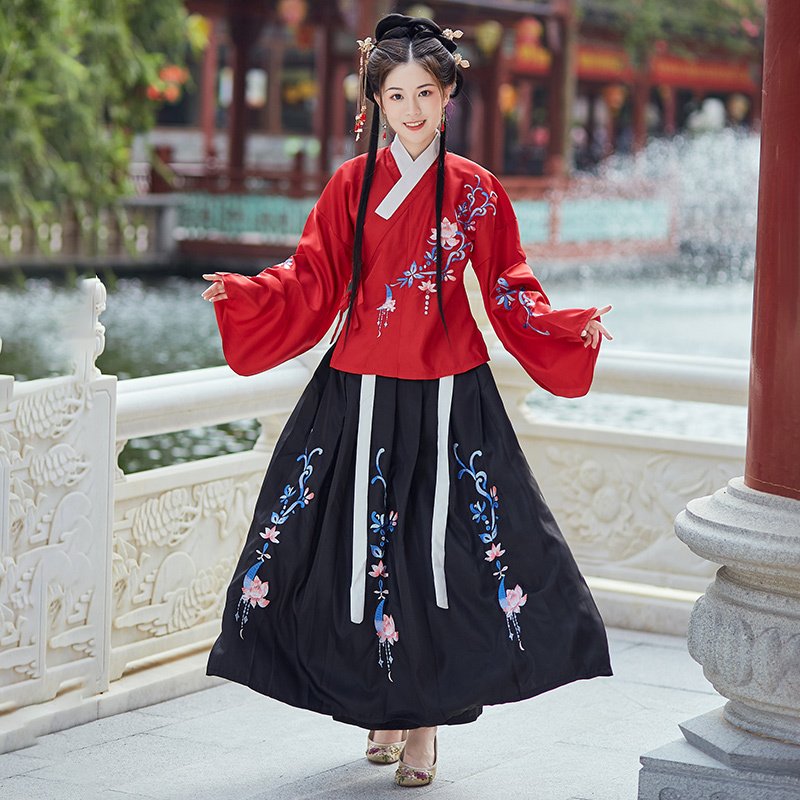
Traditional Chinese costumes reflect the extensive history, diverse culture, and artistic sensibilities of the Chinese people. The evolution of Chinese

China boasts a rich and diverse history of traditional clothing, with Hanfu standing out as one of the most emblematic
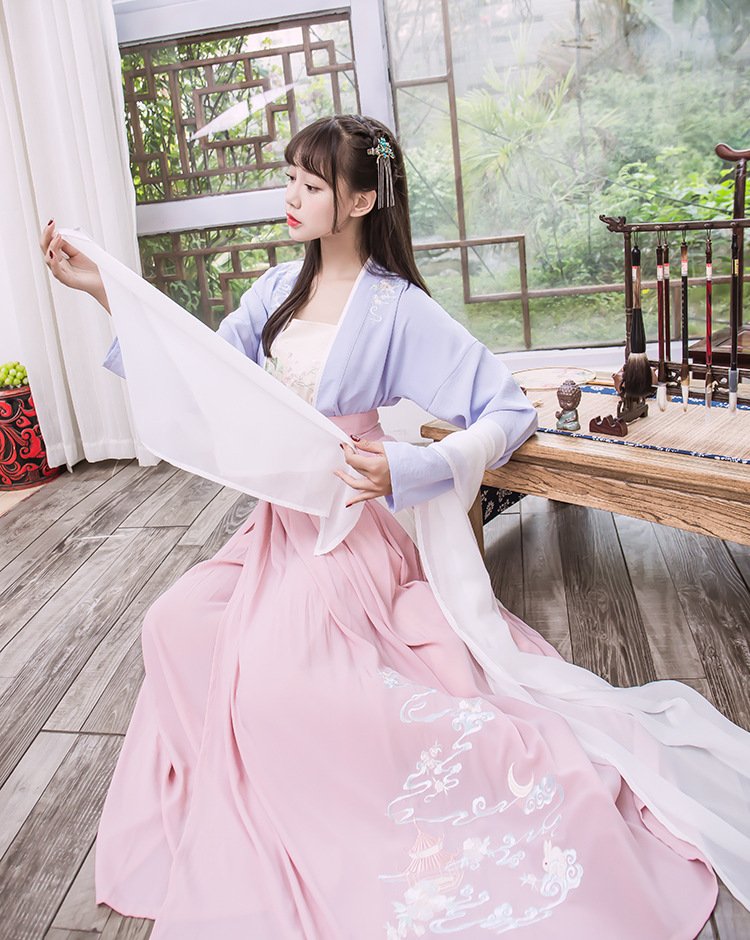
Traditional Chinese clothing, known as Hanfu, encompasses a wide array of styles and designs. While the term “Hanfu” is often
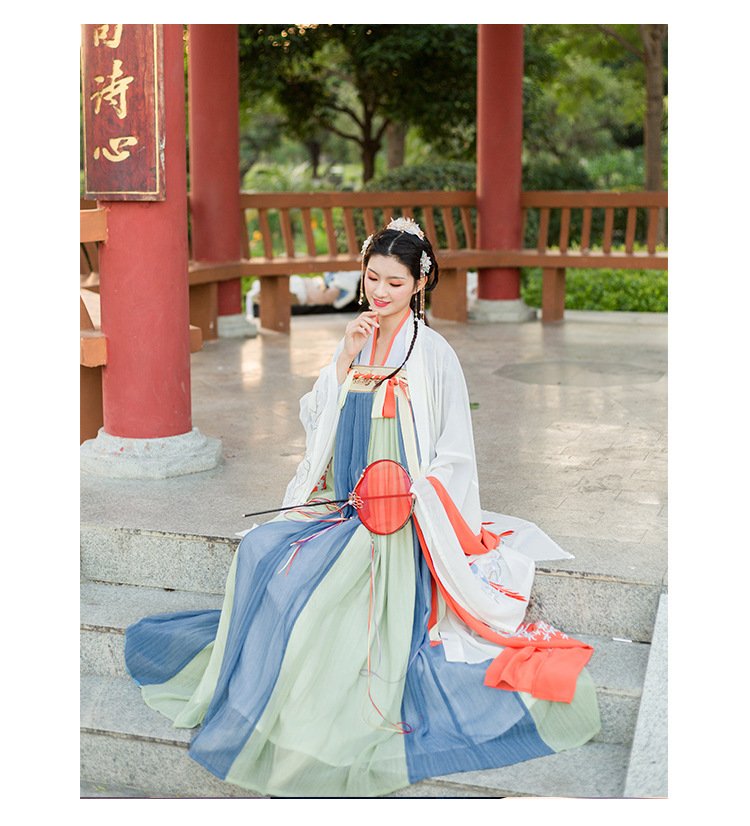
Traditional Chinese clothing, known as Hanfu, embodies the rich cultural heritage of China. With its distinctive styles and elegant aesthetics,
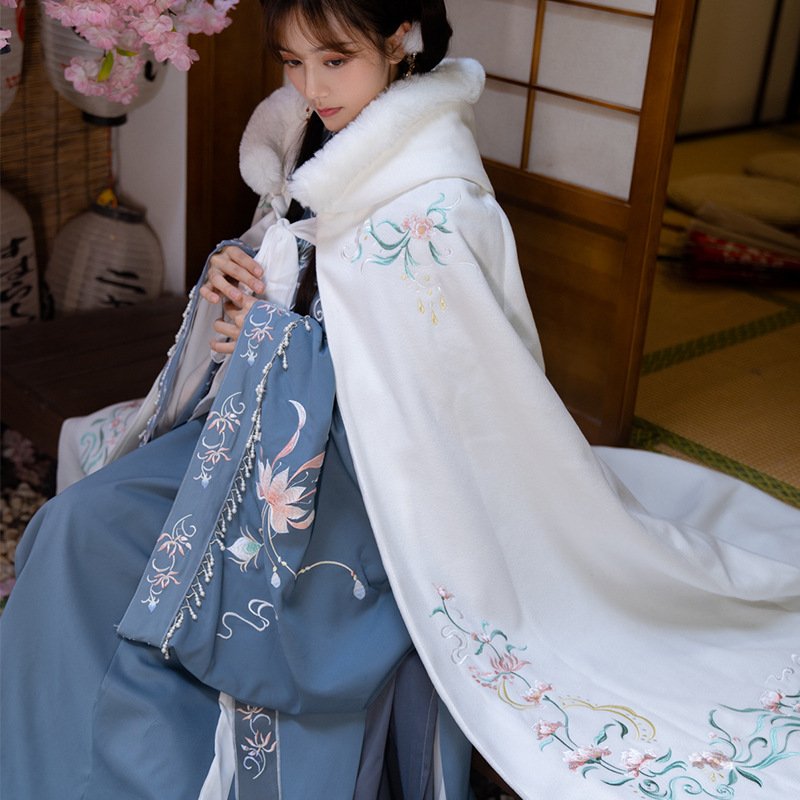
Hanfu, the traditional clothing of the Han ethnic group in China, has a rich history spanning thousands of years. Hanfu
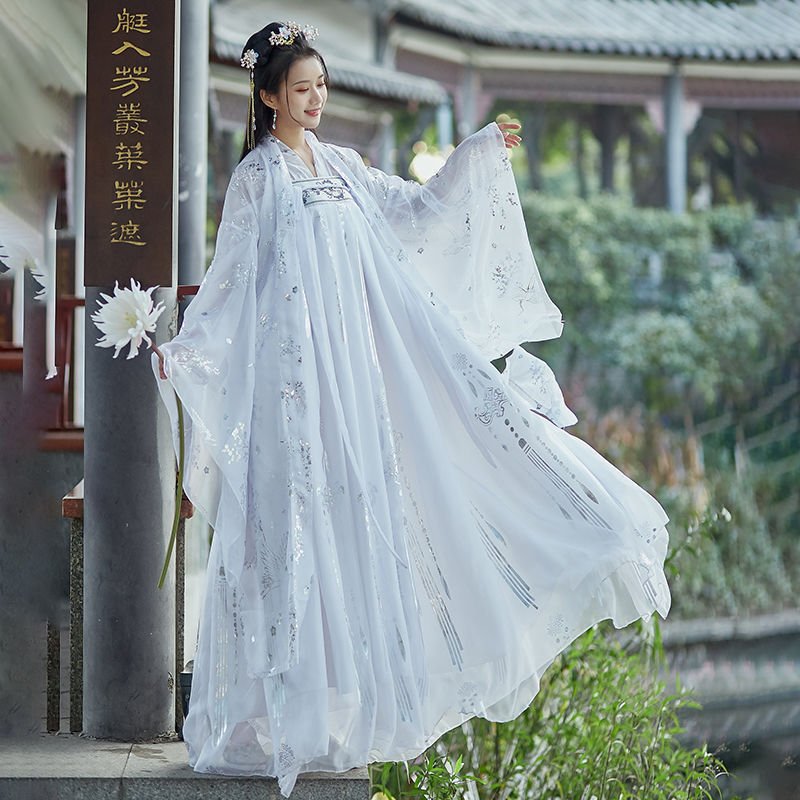
Hanfu, the traditional attire of the Han Chinese, is a stunning reflection of the nation’s rich cultural heritage. Wearing Hanfu