
What Clothing Did the Tang Dynasty Wear? A Professional Guide to Tang Dynasty Hanfu
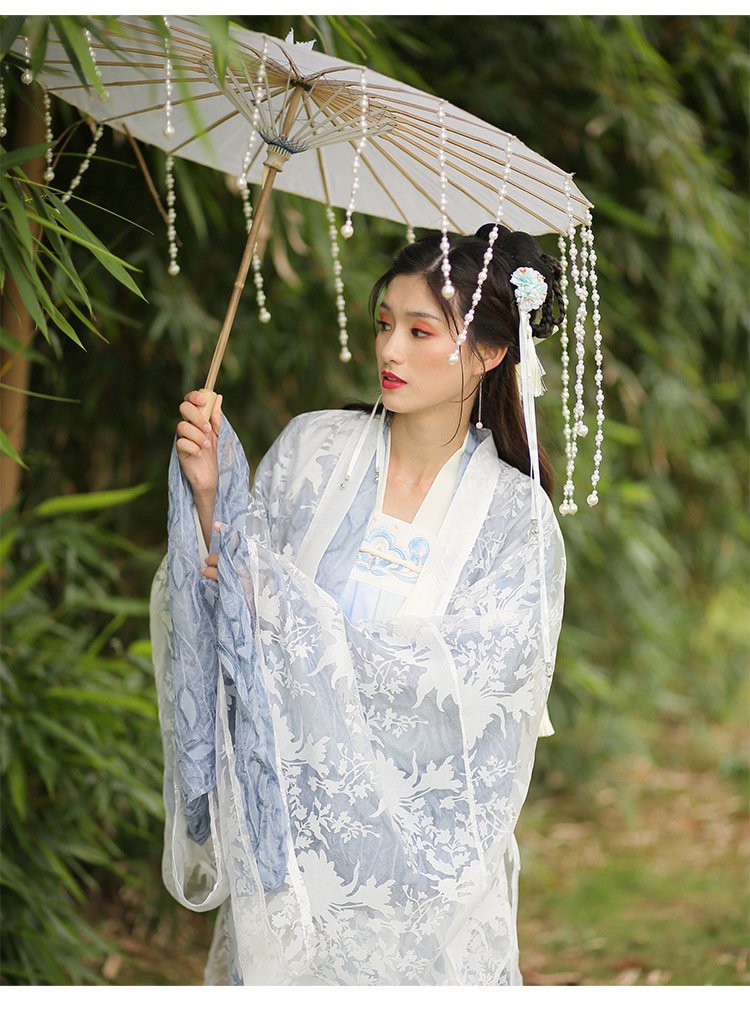
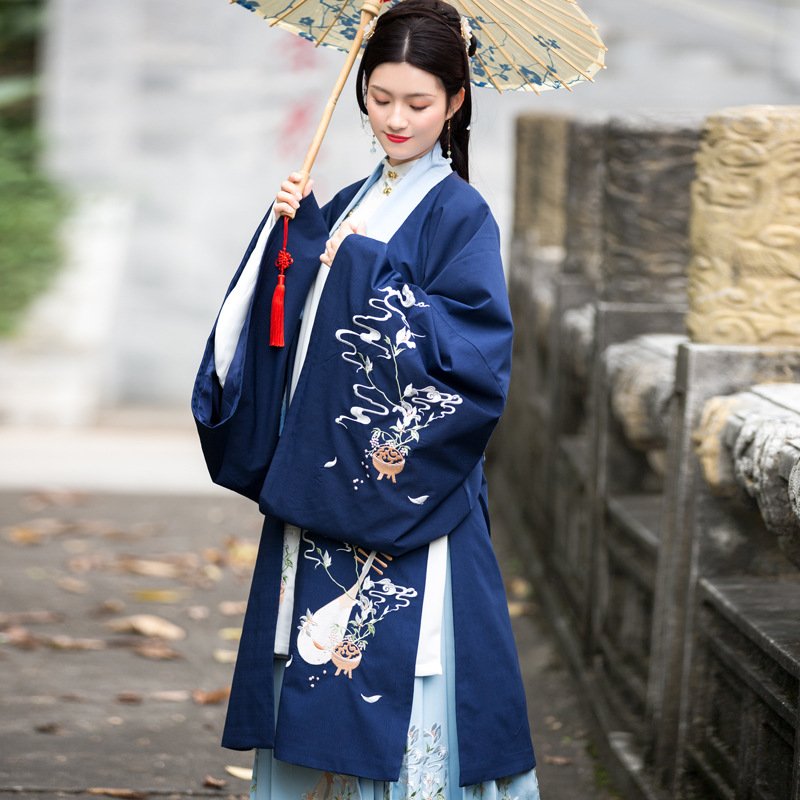
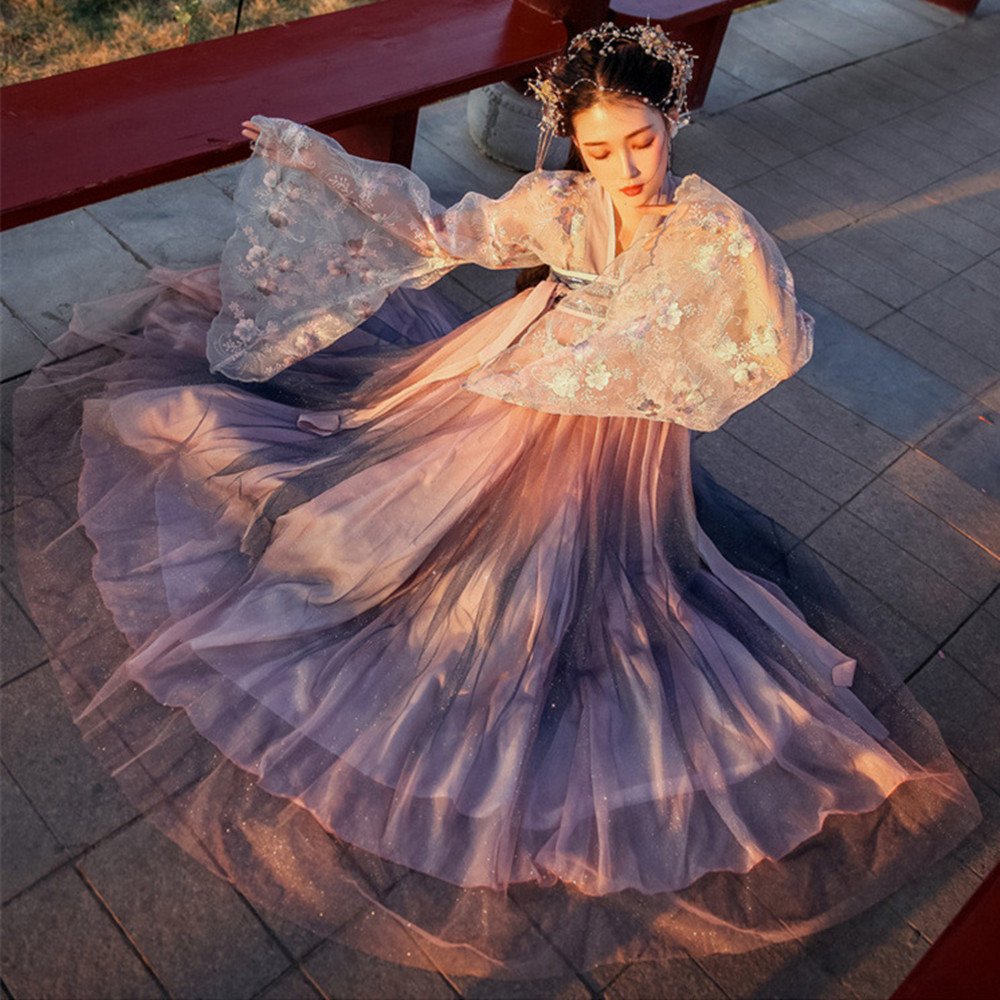
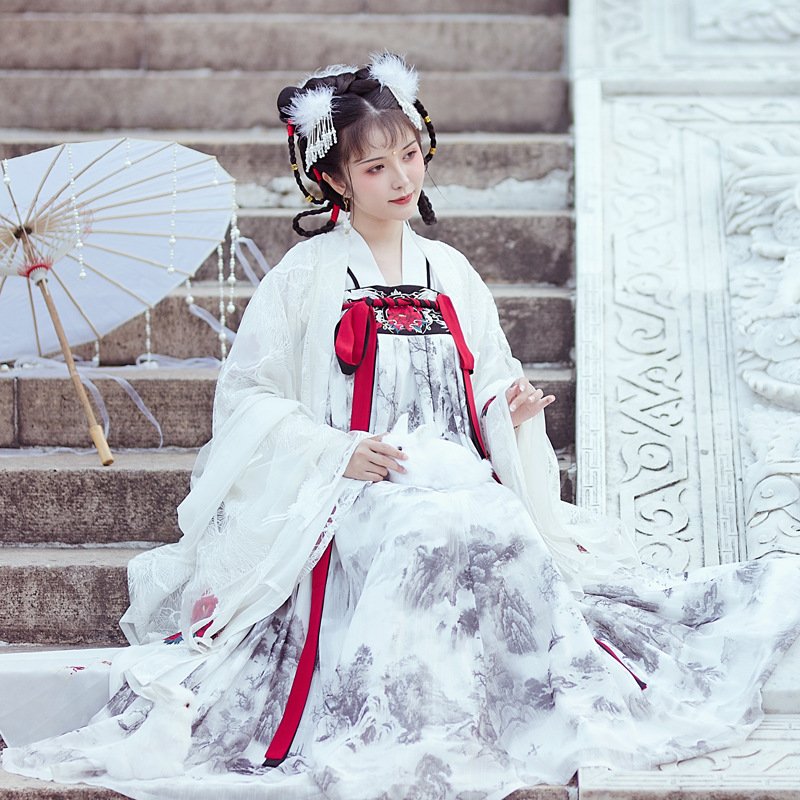
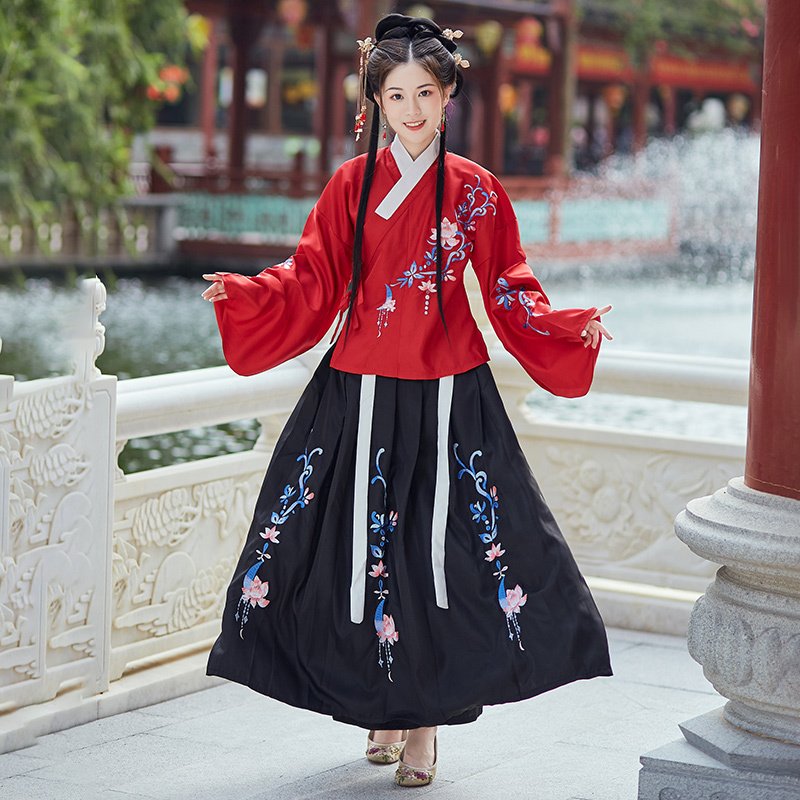
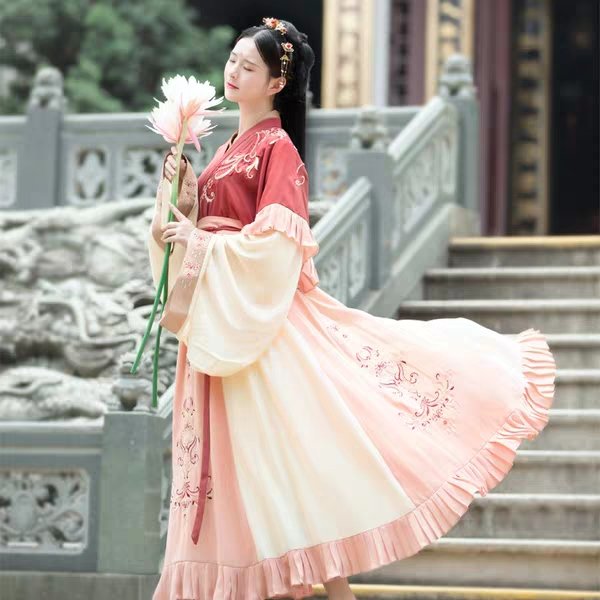
When discussing the sartorial elegance of ancient China, few dynasties rival the visual splendor and cultural sophistication of the Tang dynasty (618–907 CE). Renowned for its cosmopolitanism, artistic innovation, and social openness, the Tang era produced one of the most iconic and influential styles in the history of Chinese dress: Tang dynasty hanfu. For historians, costume designers, cultural preservationists, and enthusiasts of traditional East Asian attire, understanding the nuances of Tang clothing is essential—not only for historical accuracy but also for appreciating how this golden age shaped fashion across Asia. In this comprehensive guide, we delve into the structure, symbolism, materials, and evolution of Tang dynasty hanfu, offering insights grounded in archaeological evidence, mural paintings, literary records, and modern reconstructions. Whether you’re a museum curator, a historical reenactor, or simply fascinated by classical Chinese aesthetics, this article provides an authoritative overview optimized for both scholarly rigor and practical application. The Historical Context of Tang Dynasty Fashion The Tang dynasty emerged during a period of unprecedented prosperity and cross-cultural exchange. With Chang’an (modern-day Xi’an) as its capital—one of the largest and most diverse cities in the world at the time—the empire attracted merchants, diplomats, monks, and artisans from Central Asia, Persia, India, and beyond. This cosmopolitan environment profoundly influenced Tang aesthetics, including clothing. Unlike earlier dynasties that emphasized modesty and restraint, Tang fashion celebrated fluidity, color, and individual expression—particularly among women. The relative social freedom afforded to elite women allowed them to adopt bold silhouettes, vibrant dyes, and even foreign-inspired accessories. As such, Tang dynasty hanfu represents not just a clothing system but a cultural statement of confidence, openness, and artistic refinement. Core Components of Tang Dynasty Hanfu Traditional hanfu refers broadly to historical Han Chinese clothing, but each dynasty developed distinct variations. In the Tang context, several key garments defined everyday and ceremonial wear: 1. Ruqun (襦裙) – The Quintessential Women’s Ensemble The ruqun consisted of a short upper garment (ru) worn over a high-waisted, floor-length skirt (qun). What made Tang ruqun unique was the extremely high waistline—often tied just below the bust—creating an elongated silhouette that accentuated grace and posture. Skirts came in various styles, including the qixiong ruqun (齐胸襦裙), where the waistband sat at chest level, a look rarely seen in other dynasties. Fabrics ranged from lightweight silks for summer to brocades and damasks for formal occasions. Popular colors included deep reds, emerald greens, and imperial yellow—though sumptuary laws restricted certain hues to the nobility. 2. Beizi (褙子) – The Elegant Overcoat Worn over the ruqun, the beizi was a long, open-front jacket with wide sleeves. It served both decorative and functional purposes, adding layers of texture and modesty without compromising mobility. Tang-era beizi often featured intricate embroidery along the hems and cuffs, depicting floral motifs, phoenixes, or cloud patterns. 3. Panling Lanshan (盘领襕衫) – Men’s Scholarly Attire For men, especially scholars and officials, the panling lanshan was standard formal wear. This robe featured a round collar (panling), narrow sleeves, and a distinctive horizontal band (lan) near the hem, symbolizing Confucian virtue and scholarly discipline. Made from fine ramie or silk, it projected dignity and intellectual refinement. 4. Yuanlingpao (圆领袍) – The Versatile Official Robe Originally derived from Central Asian riding coats, the yuanlingpao (round-collared robe) became widely adopted by Tang bureaucrats and military officers. Its tailored fit and practical design reflected the dynasty’s pragmatic yet stylish ethos. High-ranking officials wore versions adorned with rank badges and specific color codes indicating their bureaucratic tier. Materials, Dyes, and Textile Innovation The Tang dynasty witnessed remarkable advances in textile production. Sericulture (silk farming) was highly developed, and imperial workshops in Sichuan and Jiangnan produced some of the finest silks in the world. Techniques such as kesi (tapestry weave), jin (brocade), and juan (plain silk) allowed for extraordinary detail and luminosity in fabrics. Natural dyes were meticulously refined. Madder root yielded rich reds; indigo provided deep blues; gardenia and turmeric created yellows; and combinations produced purples and greens. The famous “Tang tri-color” palette—amber, green, and cream—seen in pottery also influenced textile color schemes. Importantly, cotton was still rare in early Tang China; most garments were made from silk, hemp, or ramie. Wool and felt appeared mainly in northern frontier regions or among non-Han ethnic groups. Gender, Class, and Social Expression Through Dress One of the most striking aspects of Tang dynasty hanfu is its reflection of social dynamics. Elite women enjoyed remarkable sartorial freedom. Historical records describe noblewomen wearing male-style robes, riding horses astride (rather than sidesaddle), and even participating in polo—a sport imported from Persia. Their makeup was equally dramatic: white lead-based foundation, crimson lip rouge, and decorative forehead patches (huadian) made from gold foil or paper. In contrast, commoners wore simpler versions of hanfu, typically in undyed or muted tones due to cost and legal restrictions. Peasant women favored shorter jackets and narrower skirts for ease of labor, while farmers and laborers used coarse hemp fabrics. Sumptuary laws regulated who could wear certain colors, fabrics, and ornaments. For instance, bright yellow was reserved for the emperor, and dragon motifs were strictly imperial. Violating these codes could result in punishment, underscoring how deeply clothing was tied to political hierarchy. Foreign Influences and Cultural Syncretism The Silk Road wasn’t just a trade route—it was a runway of ideas. Tang fashion absorbed elements from Sogdians, Uighurs, Persians, and even Byzantines. Turban-like headwear, pointed boots, and fitted tunics entered urban wardrobes, particularly in Chang’an’s western markets. Women sometimes adopted Central Asian-style lapel gowns (fanling ao), blending foreign cuts with Chinese embroidery. This syncretism didn’t dilute Han identity; rather, it enriched Tang dynasty hanfu with cosmopolitan flair. The dynasty’s confidence allowed it to integrate external influences while maintaining core Han aesthetic principles—balance, harmony, and symbolic meaning. Legacy and Modern Revival After the fall of the Tang, subsequent dynasties like the Song and Ming shifted toward more conservative silhouettes. Yet the Tang remained a cultural touchstone. In contemporary China, the hanfu movement—a grassroots effort to revive traditional dress—has embraced Tang styles as symbols of
What Clothing Did the Tang Dynasty Wear? A Professional Guide to Tang Dynasty Hanfu Read More »