
Chinese Hanfu

beautiful hanfu

Rediscovering the Elegance and Splendor of Hanfu

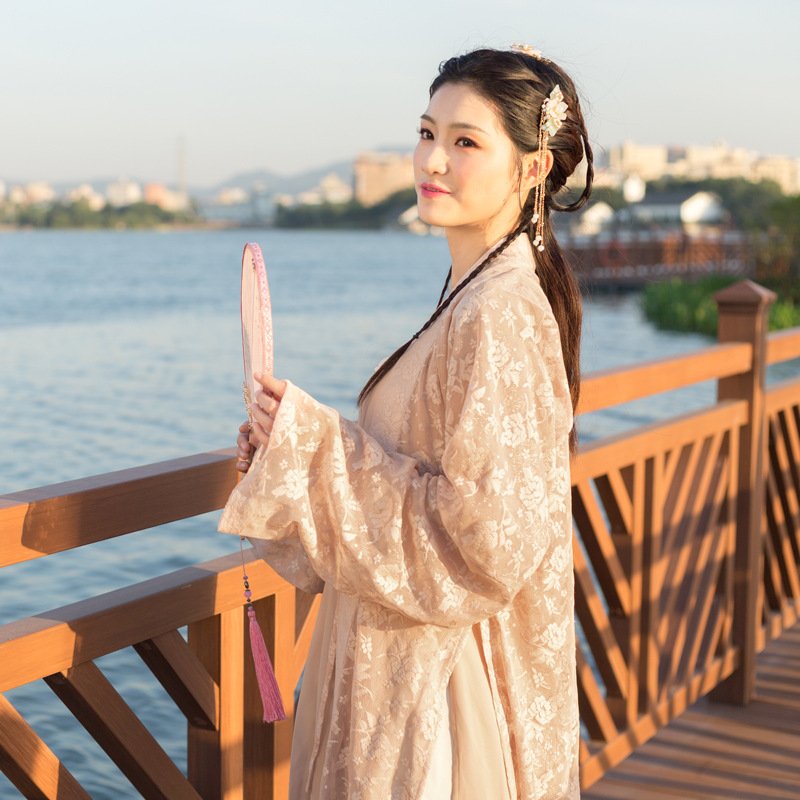
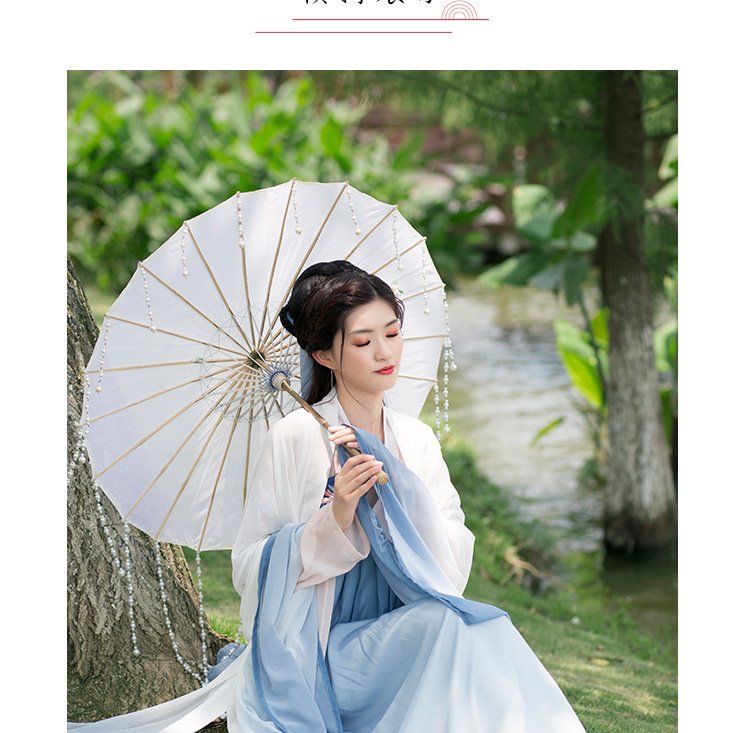
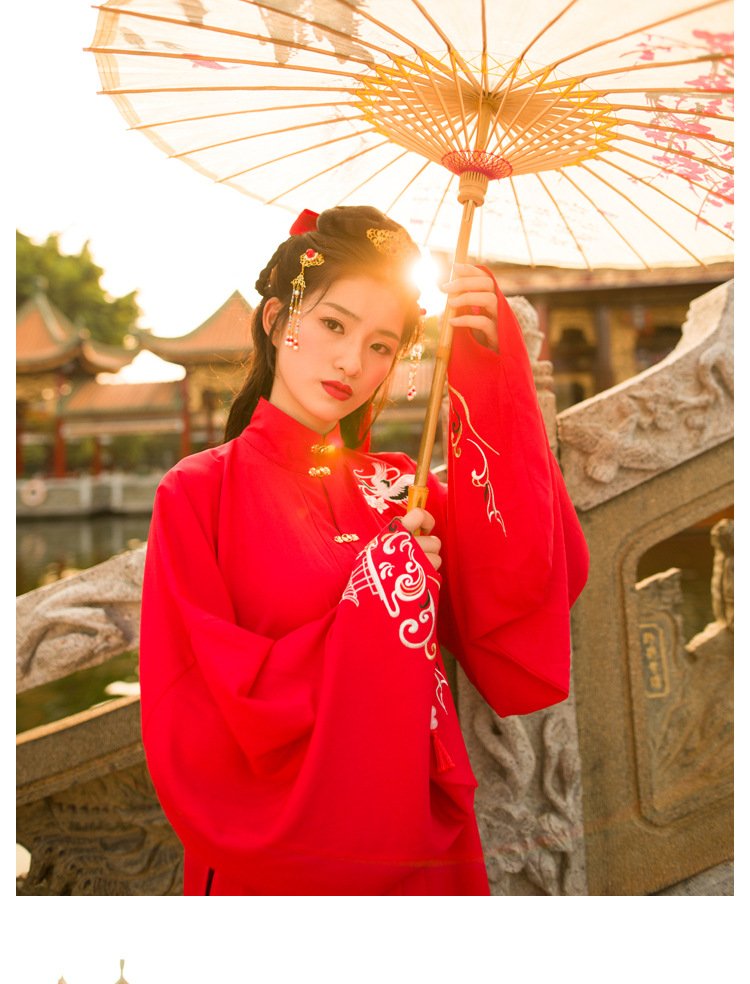
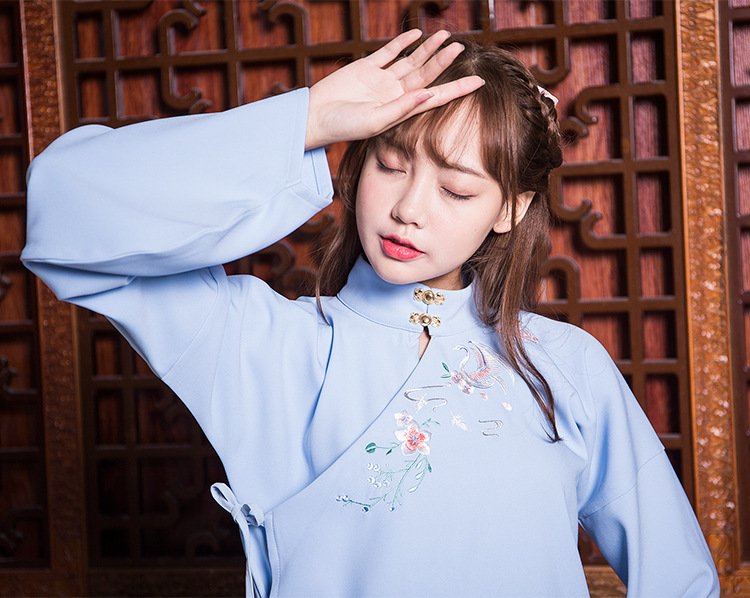
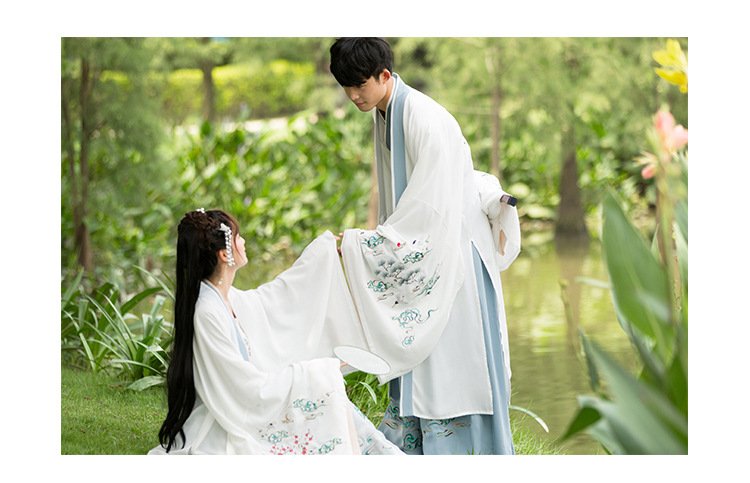
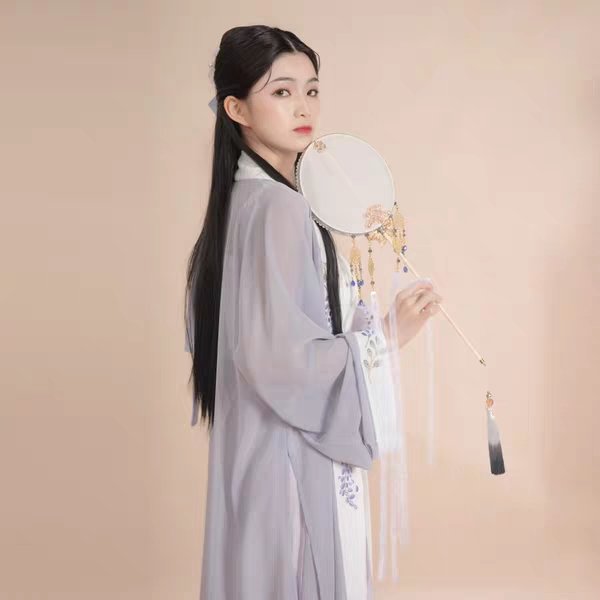
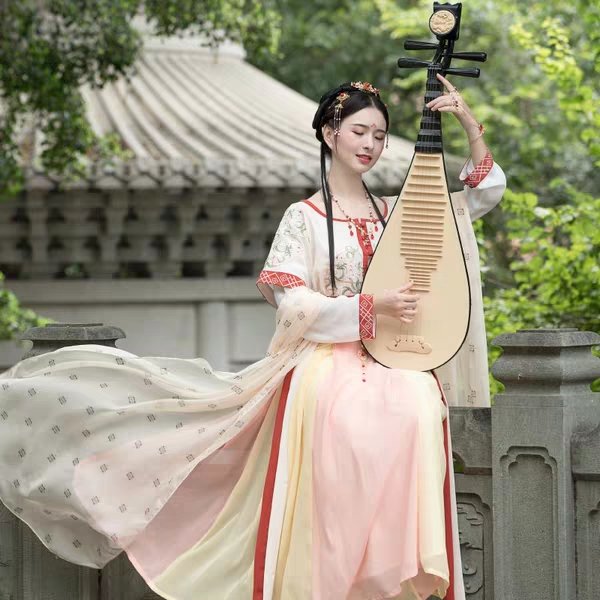
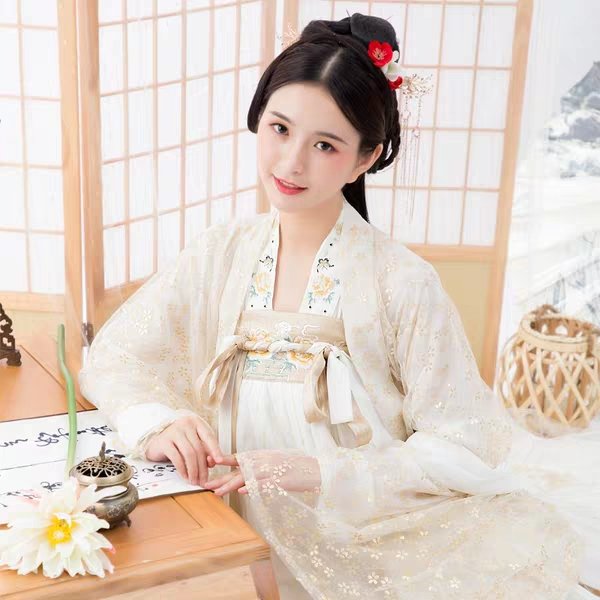
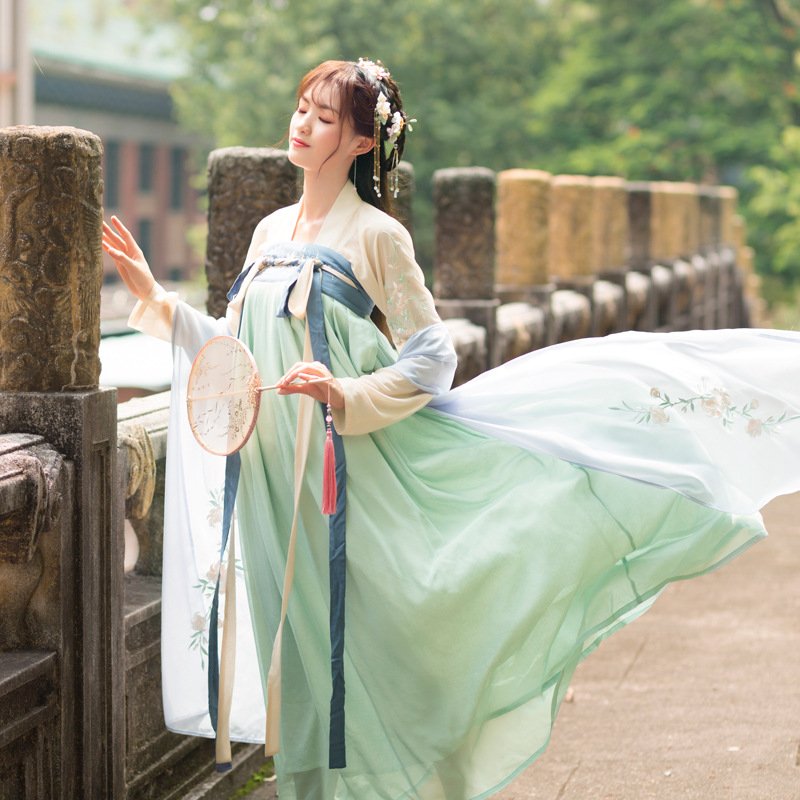
Hanfu, the traditional attire of the Han Chinese, is a cultural treasure that epitomizes elegance, grace, and sophistication. With a rich history spanning over two millennia, Hanfu has not only witnessed the rise and fall of dynasties but has also endured as a symbol of Chinese cultural identity. In this article, we delve into the enchanting world of Hanfu, exploring its origins, distinctive features, significance, and revival in contemporary society. I. The Origins and Evolution of Hanfu:The origins of Hanfu can be traced back to the time of the Yellow Emperor, about 5,000 years ago. Initially, Hanfu took inspiration from the attire of the nomadic tribes, blending utility and aesthetics. Over time, Hanfu evolved through different historical periods, each characterized by unique styles and designs. From the flowing robes of the Western Han dynasty to the intricate and ornate costumes of the Tang dynasty, Hanfu encapsulates the artistry and craftsmanship of Chinese culture. II. Key Features and Styles of Hanfu:Hanfu features a distinct set of characteristics that differentiate it from other traditional garments. The garments are constructed with loose-fitting silhouettes, allowing for freedom of movement and comfort. The attire places emphasis on layering, with various pieces such as the Ruqun, Quju, and Shan surmounted together to create a harmonious ensemble. The resplendent colors and elaborate patterns of Hanfu reflect the depth of Chinese aesthetic sensibilities. III. Symbolism and Significance of Hanfu:Hanfu is not merely a set of clothing; it carries profound symbolic meanings that reflect the values and traditions of Chinese society. The style and colors of Hanfu were often dictated by one’s social status, with different designs denoting the wearer’s rank or occupation. Additionally, Hanfu embodies the reverence for nature, with motifs inspired by flora and fauna intricately woven into the fabric. The attire promotes a sense of cultural pride, fostering a connection between individuals and their heritage. IV. Rediscovery and Revival of Hanfu:In recent years, there has been a remarkable resurgence of interest in Hanfu, both within China and around the world. This revival can be attributed to the growing appreciation for traditional Chinese culture and the desire to preserve and promote it. Hanfu enthusiasts have formed communities, organizing events, and gatherings to showcase the beauty and elegance of this ancient attire. Social media platforms and online forums have played a pivotal role in spreading awareness about Hanfu, igniting a renewed passion for its aesthetics and historical significance. V. Hanfu in Contemporary Society:While Hanfu historically belonged to the imperial court or nobility, it has now transcended its elitist past, becoming accessible to people from diverse backgrounds. It is not uncommon to witness individuals donning Hanfu for special occasions, such as weddings, festivals, or cultural performances. Moreover, the fusion of Hanfu with modern fashion has given rise to a new wave of creativity and innovation, as designers reinterpret traditional elements in contemporary designs. This modern adaptation of Hanfu helps bridge the gap between tradition and modernity, forging a connection between the past and the present. VI. The Art of Hanfu: Embroidery, Fabrics, and Accessories:One cannot fully appreciate the beauty of Hanfu without delving into the intricate details and craftsmanship that make it truly remarkable. Embroidery plays a significant role in Hanfu, with skilled artisans meticulously adorning the fabric with elaborate motifs and designs. The embroidery often depicts auspicious symbols, mythical creatures, or scenes from nature, adding a touch of artistry to the garments. The choice of fabrics in Hanfu is of utmost importance in capturing the essence of elegance and grace. Silk, known for its luxurious texture and lustrous sheen, has been the preferred fabric for Hanfu since ancient times. Its natural properties, such as breathability and draping capabilities, make it an ideal choice for creating flowing, ethereal silhouettes. Furthermore, other materials like brocade, damask, and chiffon are also used to create various effects and enhance the visual appeal of Hanfu. Hanfu is often accompanied by a wide array of accessories that elevate its charm and enhance the overall ensemble. Traditional headpieces, such as the Mingguan and Toudai, are worn to complement different styles of Hanfu. The jewelry, including hairpins, earrings, and necklaces, is intricately crafted with precious metals and gemstones, adding a touch of opulence and elegance. VII. Hanfu and Cultural Identity:Hanfu is more than just a traditional attire; it represents a cultural identity deeply ingrained in the hearts of the Han Chinese people. Wearing Hanfu is seen as a way of connecting with ancestors, paying homage to the rich history and cultural heritage. It serves as a reminder of the ancient roots that have shaped the Chinese civilization and nurtured its customs, values, and art forms. The revival of Hanfu has sparked conversations about cultural preservation and identity in contemporary society. Hanfu enthusiasts emphasize the need to reclaim and celebrate traditional Chinese culture in an increasingly globalized world. Through the resurgence of Hanfu, individuals are encouraged to explore their cultural roots, develop a sense of pride in their heritage, and foster a deeper understanding of the Han Chinese identity. VIII. Challenges and Future Prospects:Despite the growing popularity of Hanfu, there are challenges that need to be addressed for its continued revival and preservation. One such challenge is the scarcity of skilled artisans who possess the knowledge and techniques required to create authentic Hanfu and its intricate embroidery. Efforts are being made to promote traditional craftsmanship and provide platforms for aspiring artisans to learn and hone their skills. Furthermore, there is an ongoing debate about cultural appropriation and respect for the historical context when wearing Hanfu. It is essential to approach the revival of Hanfu with sensitivity and understanding, acknowledging its cultural significance and ensuring that it is not commodified or stripped of its authenticity for commercial gain. The future prospects for Hanfu are promising, with an increasing number of young people taking an interest in traditional culture and seeking to incorporate it into their lives. As awareness continues to spread, it is expected that Hanfu will find its place not only as a symbol of cultural

Rediscovering the Elegance and Splendor of Hanfu Read More »

qiyao ruqun hanfu

Qiyao Ruqun Hanfu: Embracing Traditional Elegance

Hanfu, the traditional clothing of the Han Chinese, is not just a fashion statement but a symbol of cultural heritage. With its rich history, distinct styles, and intricate designs, Hanfu represents traditional elegance and grace. Among the various styles of Hanfu, Qiyao Ruqun Hanfu stands out for its unique charm and timeless appeal. In this article, we will delve into the origins, characteristics, and significance of Qiyao Ruqun Hanfu, exploring its historical importance and its relevance in the modern world. ConclusionQiyao Ruqun Hanfu encapsulates the essence of traditional elegance, reflecting the rich heritage and cultural values of ancient China. Its intricate designs, refined beauty, and symbolism make it a unique and cherished style of Hanfu. As the revival of Hanfu gains momentum, Qiyao Ruqun remains at the forefront, captivating individuals with its timeless appeal. By embracing Qiyao Ruqun and other forms of Hanfu, we honor and preserve the cultural legacy of the Han Chinese, celebrating their aesthetic, history, and tradition for generations to come. Qiyao Ruqun Hanfu represents more than just a traditional outfit; it embodies the grace, elegance, and cultural heritage of ancient China. Its unique collar, intricate embroidery, and feminine silhouette have left an indelible mark in Chinese history and continue to inspire fashion designers and enthusiasts worldwide. By understanding and respecting the historical and cultural significance of Qiyao Ruqun, we can honor its legacy and ensure the preservation of this traditional attire for future generations. Whether worn at traditional ceremonies or modern occasions, Qiyao Ruqun Hanfu will forever remain a symbol of timeless beauty and cultural pride.

Qiyao Ruqun Hanfu: Embracing Traditional Elegance Read More »

sui dynasty hanfu

Sui Dynasty Hanfu: Reviving the Elegance of Traditional Chinese Clothing

Hanfu, the traditional clothing of the Han Chinese, boasts a rich and diverse history spanning several dynasties. Among these, the Sui Dynasty (581-618 AD) holds a special place for its notable contributions to Hanfu fashion. Sui Dynasty Hanfu encompasses a distinctive style that resonates with elegance, grace, and vibrant colors. This article will delve into the exquisite world of Sui Dynasty Hanfu, exploring its historical significance, unique characteristics, and enduring cultural relevance. 2.2 Unique Characteristics:Sui Dynasty Hanfu introduced several distinct characteristics that set it apart from earlier styles:-Cheongsam (Robe): The Sui Dynasty cheongsam displayed a broad collar and tight-fitting sleeves. It accentuated the wearer’s figure, providing a more streamlined appearance compared to the earlier loose-fitting robes.-Wide Sleeves and Embroidery: Wide and flowing sleeves, often adorned with elaborate embroidery, epitomized Sui Dynasty Hanfu. The vibrant colors and intricate patterns enhanced the visual appeal, signaling the wearer’s social status and taste.-Layering: Sui Dynasty Hanfu utilized layering techniques, creating a multi-dimensional effect. Undergarments, middle robes, and outer robes were skillfully combined, showcasing a sophisticated and refined aesthetic.-Accessories: Accessories played a crucial role in Sui Dynasty Hanfu. Exquisite headdresses, jade ornaments, and silk belts complemented the overall attire, adding further elegance and charm. 3.2 Enduring Influence:The influence of Sui Dynasty Hanfu extended far beyond its own timeframe. Its distinctive style laid the groundwork for subsequent dynasties, most notably the Tang Dynasty. Tang Dynasty Hanfu inherited and expanded upon the elegance and sophistication of Sui Dynasty Hanfu, leaving a lasting impact on Chinese fashion. 3.3 Revival in Modern Times:In recent years, there has been a resurgence of interest in traditional Hanfu, including Sui Dynasty Hanfu. Enthusiasts, known as “Hanfu Movement,” actively promote the appreciation and preservation of Han Chinese attire. The revival of Sui Dynasty Hanfu reflects a deepening appreciation for China’s rich cultural heritage and serves as a medium for cultural exchange both domestically and internationally. Conclusion:Sui Dynasty Hanfu stands as a testament to the refined elegance and cultural richness of traditional Chinese clothing. Its unique style, characterized by wide sleeves, intricate embroidery, and layered design, captures the imagination and admiration of enthusiasts. With its historical significance, distinctive features, and enduring influence, Sui Dynasty Hanfu continues to captivate the hearts of people worldwide, preserving the legacy of China’s splendid sartorial heritage. Sui Dynasty Hanfu, with its distinct style and enduring cultural significance, stands as a fascinating chapter in the vast tapestry of Han Chinese fashion history. The elegance, craftsmanship, and symbolic meanings embedded within Sui Dynasty Hanfu continue to captivate the imagination of individuals seeking to preserve and revive traditional clothing. By embracing and promoting the beauty and cultural heritage of Sui Dynasty Hanfu, we can deepen our understanding and appreciation of China’s rich history and ensure that this remarkable attire remains an integral part of our collective identity. As we don these exquisite garments, we pay tribute to the artistry and wisdom of our ancestors, keeping their legacy alive for generations to come. Sui Dynasty Hanfu represents a pinnacle of artistic expression, cultural pride, and historical significance. Its distinct style, symbolism, and influence have left an indelible mark on the cultural fabric of China. Through the efforts of enthusiasts and cultural enthusiasts, Sui Dynasty Hanfu continues to thrive in the modern world, bridging the gap between the past and present. By cherishing and celebrating these traditional garments, we honor the heritage and creativity of our ancestors, ensuring that the elegance and grace of Sui Dynasty Hanfu endure for future generations to appreciate and embrace.

Sui Dynasty Hanfu: Reviving the Elegance of Traditional Chinese Clothing Read More »

dynasty hanfu

Dynasty Hanfu: Unveiling the Elegance of Chinese Tradition

Dynasty Hanfu, the iconic traditional attire of the Han Chinese, embodies the essence of Chinese history, culture, and fashion. This article takes you on a captivating journey through the dynasties, unveiling the mesmerizing beauty of Dynasty Hanfu and its significance in Chinese society. I. Heritage and Styles of Dynasty HanfuA. Early Dynasties: Xia, Shang, and Zhou (c. 2070-256 BC) B. Golden Era: Qin and Han Dynasties (221 BC – 220 AD) C. Flourishing Beauty: Tang Dynasty (618-907 AD) D. Refined Elegance: Song Dynasty (960-1279 AD) E. Classical Aesthetics: Ming and Qing Dynasties (1368-1912 AD) II. Elements and Symbolism of Dynasty HanfuA. Layered Garments and Regal Robes B. Hair Accessories and Jewelry C. Subtle Elegance: Footwear and Accessories III. Hanfu in Rituals and FestivitiesA. Ritual Importance of Hanfu B. Literary and Artistic Appreciation of Hanfu IV. Revival of Dynasty Hanfu: A Contemporary RenaissanceA. Factors Driving the Hanfu Movement B. Community and Celebrations C. Global Influence and Cross-Cultural Exchange V. The Future of Dynasty HanfuA. Challenges and Preservation Efforts B. Appreciating Dynasty Hanfu: Cultural Exchange and Understanding Conclusion:Dynasty Hanfu is a resplendent embodiment of Chinese tradition, fashion, and cultural identity. Across the dynasties, each era brought its unique style and influences, resulting in the timeless elegance of Dynasty Hanfu. Its exquisite craftsmanship, symbolic designs, and ritual significance have continued to captivate both the Chinese people and admirers worldwide. As we witness the revival and global appreciation of Dynasty Hanfu, it is crucial to balance the preservation of authenticity with modern adaptations and sustainable practices. By embracing and respecting the legacy of Dynasty Hanfu, we can ensure its continued legacy as a significant cultural symbol for generations to come. Let us cherish and celebrate the elegance and cultural heritage of Dynasty Hanfu, fostering cross-cultural understanding and appreciation in today’s diverse world.

Dynasty Hanfu: Unveiling the Elegance of Chinese Tradition Read More »

hanfu modern

Rediscovering Tradition: The Modern Revival of Hanfu Fashion

The fashion industry is constantly evolving, with trends coming and going at a rapid pace. However, amidst the whirlwind of ever-changing styles, there has been a resurgence of interest in traditional clothing known as Hanfu. Hanfu, which translates to “Han clothing,” refers to the attire worn by the Han ethnic majority in China during ancient times. This article explores the modern revival of Hanfu as a fashion trend, its cultural significance, and the movement behind its popularity today. 1.The Historical Significance of Hanfu: 2.The Revival of Hanfu: 3.Modern Adaptations of Hanfu: 4.Hanfu and Cultural Identity: 5.The Global Impact of Hanfu: 6.Challenges and Controversies: 7.The Hanfu Community and Social Impact: 8.Hanfu and Gender Identity: 9.Hanfu and the Future: 10.Hanfu in Popular Culture: 11.Hanfu Tourism and Cultural Exchange: 12.Hanfu Education and Academia: 13.Influence on Other Traditional Clothing Revivals: 14.Hanfu Fashion and Sustainable Practices: Conclusion: The modern revival of Hanfu represents more than a fashion trend; it serves as a gateway to Chinese history, culture, and a reconnection with tradition. By embracing Hanfu, individuals express their cultural identity, challenge the dominance of Western fashion influences, and contribute to a global movement that celebrates diversity and heritage. As Hanfu continues to captivate hearts worldwide, it provides a meaningful bridge between the past and the present, fostering a deeper appreciation for the beauty and significance of traditional clothing in our modern society. As the modern Hanfu movement gains momentum, it not only appeals to individuals with a passion for fashion but also captivates those seeking an authentic connection with history and culture. Hanfu serves as a powerful tool for cultural preservation, promoting dialogue, and fostering a sense of belonging in a rapidly globalizing world. As enthusiasts continue to explore and redefine the boundaries of Hanfu fashion, its influence will likely transcend borders and contribute to the broader narrative of cultural diversity and appreciation. The modern Hanfu movement represents a powerful testament to the enduring influence of traditional clothing and the desire to preserve cultural heritage in a rapidly changing world. As Hanfu continues to captivate the imagination of people globally, it not only serves as a fashion statement but also fosters intercultural dialogue, promotes sustainable practices, and challenges conventional notions of identity and style. The future holds exciting possibilities for the further growth and recognition of Hanfu as a cherished part of our global cultural tapestry.

Rediscovering Tradition: The Modern Revival of Hanfu Fashion Read More »

Wei Jin Hanfu

Hanfu Unveiled: Exploring the Elegance and Evolution of Wei and Jin Dynasty Attire

Hanfu, the traditional clothing of the Han Chinese, went through various changes over different dynasties, including the Wei and Jin Dynasties (220-420 AD). During this period, Hanfu exhibited a shift in style, influenced by the prevalent cultural and social changes. In the Wei and Jin Dynasties, the shape and design of Hanfu became more diverse and distinct. Here are some key points to consider: The cultural background of Wei and Jin Hanfu was influenced by factors such as the rise of the Six Dynasties, the influx of nomadic cultures, and increasing interaction with other regions and foreign civilizations. This led to a fusion of different styles and influences in clothing, resulting in unique and diverse Hanfu designs during this period.

Hanfu Unveiled: Exploring the Elegance and Evolution of Wei and Jin Dynasty Attire Read More »

Tang Dynasty Hanfu

Hanfu in the Tang Dynasty: A Splendid Tapestry of Style and Elegance

The Tang Dynasty (618-907 AD) is widely regarded as a glorious era in Chinese history, characterized by its vibrant culture, cosmopolitan society, and remarkable artistic achievements. One significant aspect of Tang culture was the fashion, particularly the clothing style known as Hanfu. This article aims to provide a comprehensive overview of Hanfu in the Tang Dynasty, exploring its shape, features, and the cultural significance it held during this remarkable period. a. Ruqun: The most common attire for both men and women, the Ruqun consisted of a blouse-like top and a long skirt. For men, the top was high-collared and often had crossed lapels, while women’s blouses featured a deeper neckline and wider sleeves, sometimes extending to the ground. b. Beizi: Worn over the Ruqun, the Beizi was a sleeveless vest-like garment. It added layers and depth to the overall outfit and was often adorned with ornate embroidery or intricate patterns. c. Daopao: A long, robe-like garment worn by various social classes, the Daopao featured wide sleeves and was typically belted at the waist. It represented a more formal attire option and was favored by both men and women. d. Banshan: This was a style of Hanfu characterized by its one-piece design, similar to a modern-day dress. Banshans were typically made of elaborate silk fabrics and adorned with intricate embroidery, making them a popular choice for formal occasions. Hairstyles in the Tang Dynasty were elaborate and symbolic. Women often displayed their social status through intricately styled hairdos adorned with ornaments and hairpieces. Men typically wore their hair long, neatly tied or braided with various types of decorative ties. Conclusion:Hanfu in the Tang Dynasty represented an unparalleled era of fashion, combining grace, elegance, and cultural significance. The flowing silhouettes, vibrant colors, and intricate designs exemplified the artistic achievements and luxurious lifestyle of this epoch. Tang-style Hanfu continues to inspire modern-day fashion, showcasing the enduring legacy of this remarkable period in history.

Hanfu in the Tang Dynasty: A Splendid Tapestry of Style and Elegance Read More »

ming dynasty hanfu

Hanfu in the Ming Dynasty: A Fascinating Blend of Elegance and Tradition

The Ming Dynasty (1368-1644) witnessed a significant revival of traditional Chinese culture, which extended to the realm of fashion and clothing. During this period, Hanfu, the traditional attire of the Han Chinese, underwent remarkable changes in terms of shape and structure. This article provides an in-depth exploration of Hanfu fashion in the Ming Dynasty, shedding light on its exquisite designs, rich symbolism, and cultural importance. By examining the various components and distinguishing features of Hanfu, we aim to unveil the beauty and cultural significance of this ancient attire. 1.1 The Robe (Ru): The Ru was the principal garment worn in the Ming Dynasty. It featured a loose and flowing design, reaching the knees or ankles. The sleeves of Ru were wide and long, giving the wearer an elegant and graceful appearance. Made from silk or high-quality fabric, it was often intricately embroidered with rich patterns and auspicious motifs. 1.2 The Skirt (Qun): The Qun, or skirt, was typically worn beneath the Ru. It was a straight-cut, ankle-length garment, accentuating the dignified and regal demeanour of the wearer. The Ming Dynasty Qun was often adorned with delicate embroidery, enhancing its visual appeal. 1.3 The Belt (Dai): The Dai, or belt, was an essential accessory in Ming Dynasty Hanfu. It served both practical and decorative purposes. The belt was usually made from silk and intricately woven with colorful threads and patterns. It not only tied the Ru and Qun together but also added elegance and charm to the overall outfit. 2.1 Ruqun: The Ruqun was one of the most popular styles of Hanfu during the Ming Dynasty, especially among women. It consisted of a Ru worn on top of a Qun, combining comfort with an alluring aesthetic. The Ru and Qun were often made from contrasting colors and complemented by intricate embroidery, emphasizing the wearer’s elegance and grace. 2.2 Beizi: The Beizi was a sleeveless outer garment worn over the Ruqun, mainly by men. It was made from high-quality silk or brocade material and featured rich tapestry and auspicious motifs. The Beizi added a sense of formality and grandeur to the overall attire, exemplifying the social status of the wearer. 2.3 Shenyi: Shenyi was a unisex style of Hanfu that gained popularity during the Ming Dynasty. It consisted of a one-piece robe with a crossed collar, akin to the Ru, and a skirt-like bottom resembling the Qun. The Shenyi was known for its simplicity and versatility, making it suitable for various occasions and social classes. Hanfu in the Ming Dynasty embraced a profound symbolism and cultural significance. The attire was not merely a fashion statement but also a reflection of social status, cultural identity, and moral values. 3.1 Colors and Patterns: The choice of colors and patterns in Hanfu conveyed specific meanings. The use of vibrant colors, such as red and gold, symbolized prosperity, joy, and good fortune. Motifs like dragons, phoenixes, and clouds represented power, nobility, and auspiciousness, reinforcing social hierarchies and cultural beliefs. 3.2 Rank and Social Status: Hanfu in the Ming Dynasty was intricately connected to one’s rank and social status. The styles, colors, and accessories worn varied according to one’s position in society. The attire of scholars, officials, and members of the imperial court showcased their prestigious status, while commoners and lower-ranking individuals adhered to simpler designs. Conclusion: Hanfu in the Ming Dynasty displayed a harmonious blend of elegance and tradition, reflecting the grandeur and refinement of traditional Chinese culture. The Ru, Qun, and Dai, alongside various styles like Ruqun, Beizi, and Shenyi, highlighted the unique beauty and craftsmanship of Ming-era Hanfu. The clothing’s symbolic colors, patterns, and accessories added layers of meaning and conveyed social statuses and cultural values. Today, the revival of Hanfu in modern fashion pays homage to this splendid epoch, preserving and celebrating China’s rich sartorial heritage.

Hanfu in the Ming Dynasty: A Fascinating Blend of Elegance and Tradition Read More »

hanfu

Rediscovering the Elegance: A Comprehensive Guide to Song Dynasty Hanfu

The Song Dynasty (960-1279 CE) held a significant place in ancient Chinese history, renowned for its cultural refinement and remarkable achievements in art, literature, philosophy, and fashion. One of the most prominent aspects of the Song Dynasty was its distinct style of clothing known as Hanfu. Hanfu, meaning “Han people’s clothing,” encompassed multiple variations across dynasties, and the glorious attire of the Song Dynasty remained a testament to the dynasty’s refined fashion sense. This article presents an in-depth exploration of Song Dynasty Hanfu, shedding light on its unique characteristics, exquisite designs, and symbolic meanings. Conclusion:The Song Dynasty was a remarkable era in Chinese history, and its distinctive style of Hanfu exemplified the cultural refinement and elegance of the dynasty. Song Dynasty Hanfu featured a straight-cut silhouette, lavish use of silk and intricate embroideries, and a diverse range of accessories. Its significance went beyond mere fashion, as it reflected the societal values and aspirations of the era. Rediscovering the beauty of Song Dynasty Hanfu allows us to appreciate the heritage and splendor of ancient Chinese culture.

Rediscovering the Elegance: A Comprehensive Guide to Song Dynasty Hanfu Read More »

hanfu

A Comprehensive Guide to Hanfu: Unveiling the Elegance of Traditional Chinese Clothing

Hanfu, the traditional attire of the Han Chinese, represents a unique blend of cultural heritage and fashion. With its intricate designs and graceful aesthetics, Hanfu has experienced a resurgence in popularity in recent years. This article aims to provide a comprehensive guide on how to wear Hanfu, exploring its various styles, accessories, and the diverse ways of adorning this exquisite garment. I. Understanding Hanfu: II. Essential Components of Hanfu: III. Accessorizing Hanfu: IV. Wearing Hanfu for Different Occasions: V. Modern Adaptations and Fusion: Conclusion:Wearing Hanfu is like stepping back in time, experiencing the elegance and charm of ancient Chinese culture. By following the guidelines outlined in this article, enthusiasts can embrace this traditional attire and adorn it with grace and authenticity. Whether for daily wear, festive occasions, or formal events, Hanfu offers an extensive range of styles and accessories that reflect the rich heritage of the Han Chinese culture. Let us continue to celebrate and preserve the beauty of Hanfu, ensuring that its legacy shines brightly in the modern world.

A Comprehensive Guide to Hanfu: Unveiling the Elegance of Traditional Chinese Clothing Read More »

Shopping Cart