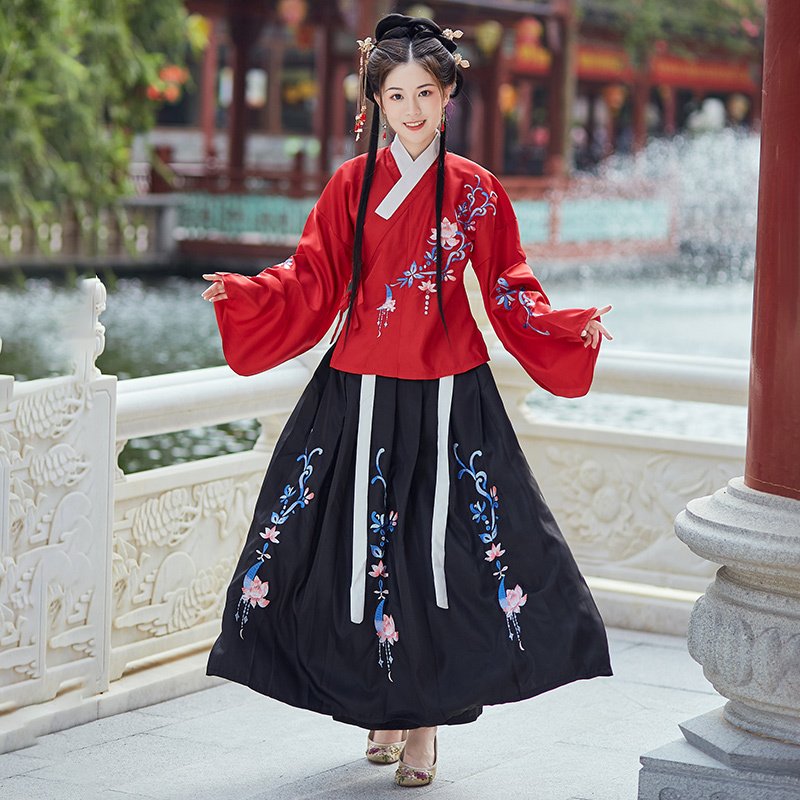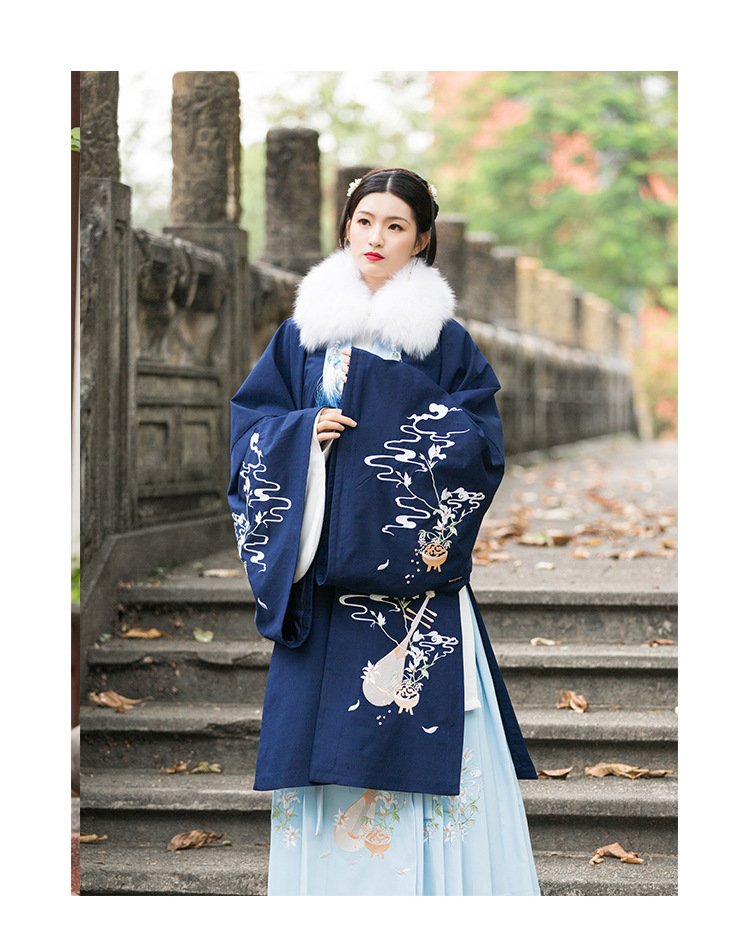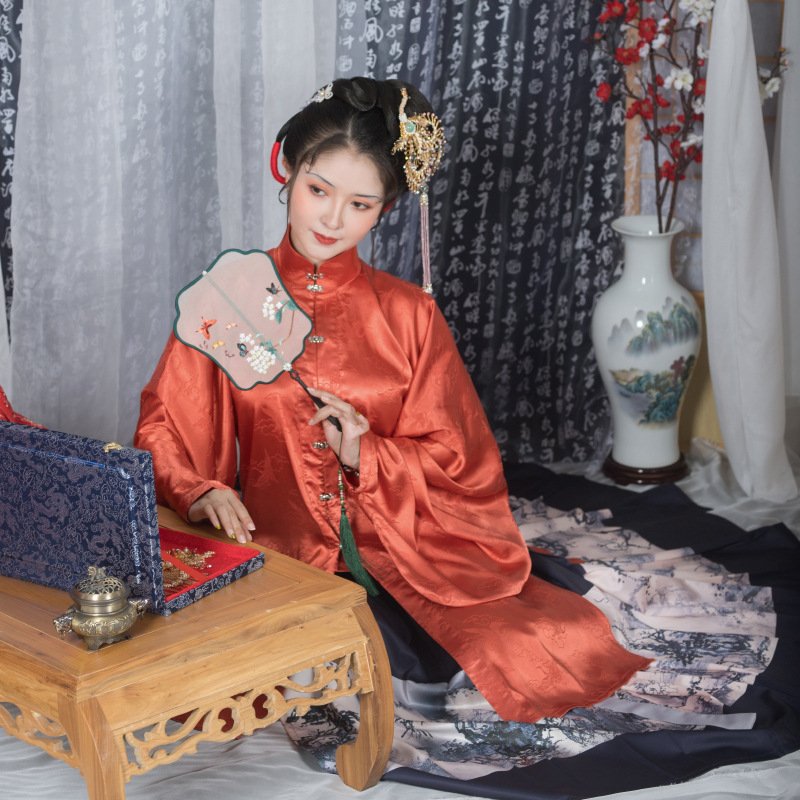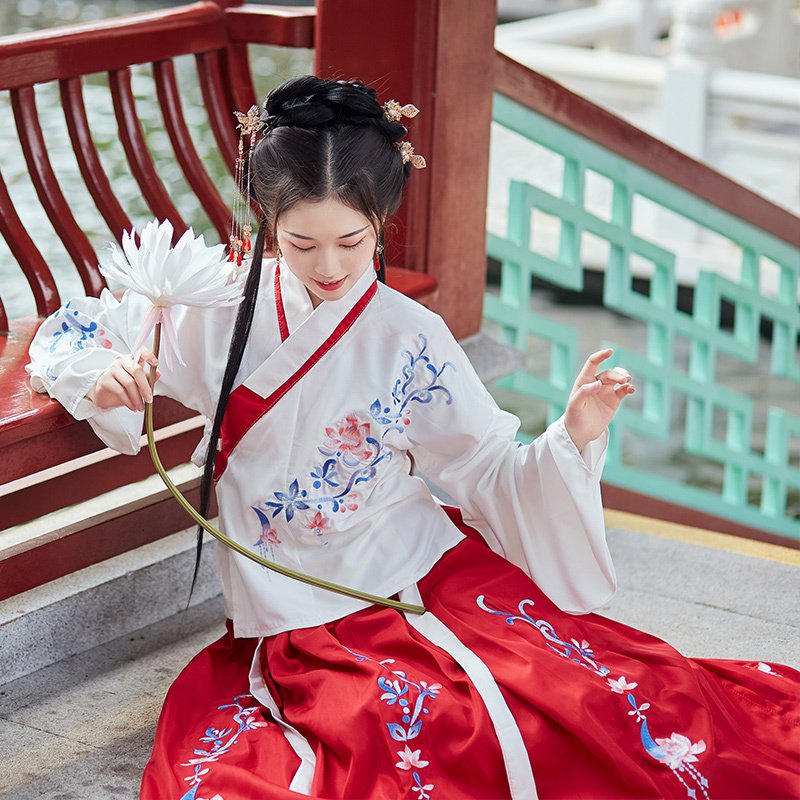

Chinese Hanfu

Why is the Hanfu dress important?

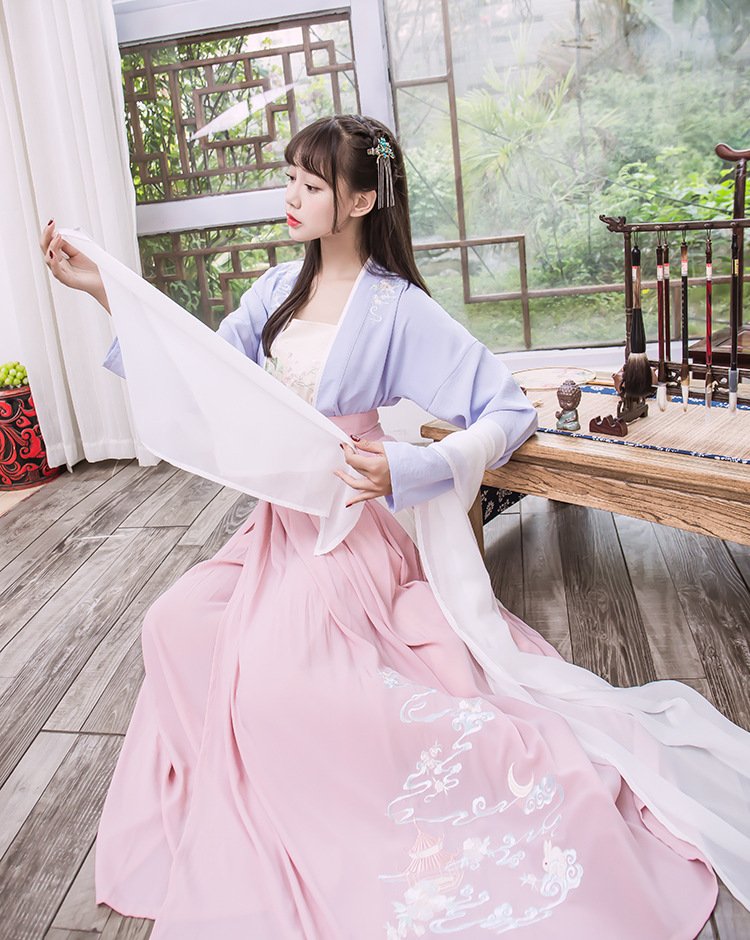
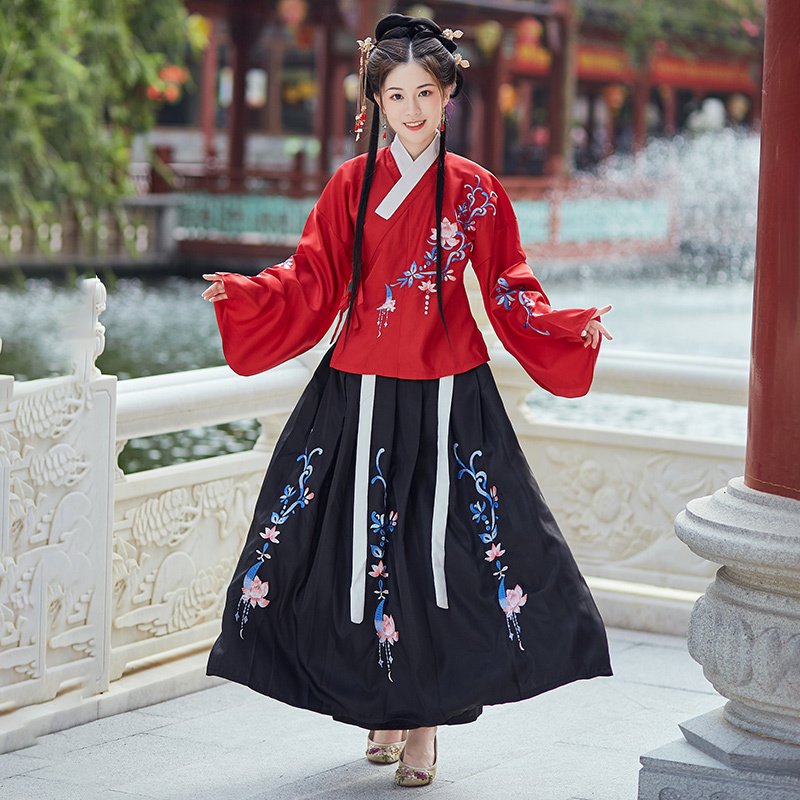
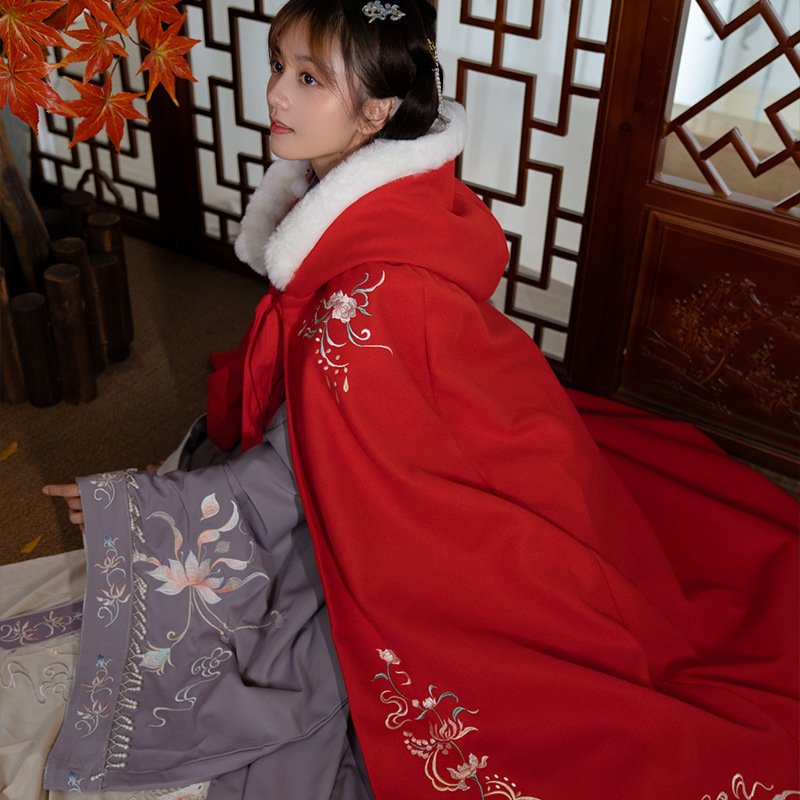
The Hanfu dress holds significant importance throughout different historical periods of China. Hanfu, which literally translates to “Han clothing,” refers to the traditional dress of the Han Chinese people. With a history dating back thousands of years, this distinctive attire has not only served as a symbol of cultural identity but has also exemplified the values, social status, and aesthetics of various eras. During the early Han dynasty, from the 3rd century BC to the 3rd century AD, the Hanfu dress played a pivotal role in establishing the cultural and political identity of the Chinese civilization. It represented the dominance and prosperity of the Han ethnic group and was worn by both men and women. The distinctive robes and accessories showcased the intricate craftsmanship and detailed embroidery techniques of that period. Moreover, the Hanfu dress was considered a manifestation of Confucian values, with its modest and elegant design reflecting moral virtues such as filial piety and loyalty. In subsequent dynasties, such as the Tang (618-907 AD) and Song (960-1279 AD), the Hanfu dress continued to evolve. The Tang dynasty is often referred to as the “golden age” of the Hanfu dress. During this period, the style became more diverse and flamboyant, showcasing the prosperity and cultural exchange facilitated by the Silk Road. The Tang Hanfu dress was characterized by its loose and flowing silhouette, with layered robes and colorful patterns, reflecting the cosmopolitan nature of the dynasty. In contrast, the Song dynasty witnessed a shift towards a more restrained and refined aesthetic. The Hanfu dress of this period emphasized simplicity and elegance, with understated colors and delicate embroidery. This reflects the influence of Neo-Confucianism, which valued introspection and modesty. The Song Hanfu dress became a symbol of cultural sophistication and intellectual pursuits, worn mostly by scholars and the elite class. The importance of the Hanfu dress persists in modern times, as it continues to serve as a powerful cultural symbol and a source of pride for many Chinese people. It has seen a resurgence in popularity, with individuals embracing traditional styles and wearing Hanfu for various occasions, including weddings, festivals, and cultural events. This revival has led to the establishment of numerous Hanfu organizations and communities, promoting the preservation and awareness of this rich cultural heritage. In conclusion, the Hanfu dress holds immense importance in showcasing the cultural, social, and aesthetic values of different historical periods in China. From its origins in the early Han dynasty to the Tang and Song dynasties and its revival in contemporary times, this traditional attire serves as a testament to the depth and richness of Chinese heritage. Its significance lies not only in its visual appeal but also in its ability to unite people and keep the traditions of the past alive.

Why is the Hanfu dress important? Read More »

What type of clothing is Hanfu

Hanfu, a term steeped in the rich history of China, encapsulates a profound cultural legacy that extends beyond mere attire. In this exploration, we delve into the definition, origin, and evolution of Hanfu, shedding light on its intricate features and the burgeoning revival it experiences in contemporary times. 1.2 Historical Roots and Development of Hanfu:Hanfu’s roots trace back thousands of years, evolving through various dynasties and regions. This section provides an overview of its historical journey, from its inception to becoming a symbol of Chinese sartorial elegance. 1.3 Overview of Various Styles and Regions:Hanfu manifests in diverse styles across China, each reflecting regional aesthetics and cultural nuances. This section explores the unique characteristics of Hanfu in different areas, contributing to the cultural mosaic of Chinese clothing. 2.2 Components of a Hanfu Ensemble:A complete Hanfu ensemble comprises robes, tunics, and accessories. This section details each component, offering a comprehensive understanding of the layers and accessories that contribute to the overall elegance of Hanfu. 2.3 Symbolism and Cultural Significance:Colors, patterns, and fabrics in Hanfu carry profound symbolism. Delve into the meanings behind these choices, unraveling the cultural significance embedded in the vibrant hues, intricate patterns, and luxurious fabrics of Hanfu. 3.2 Insight into Recent Resurgence:Witness the resurgence of Hanfu in modern times, particularly among Chinese youth. This section examines the factors contributing to its revival, from cultural pride to a desire for a unique form of self-expression. 3.3 Cultivation of a Global Community and Movement:Hanfu’s revival extends beyond borders, cultivating a global community embracing it as a versatile form of self-expression. Explore the international movement that celebrates and promotes the beauty and cultural significance of Hanfu. Hanfu, deeply rooted in the fabric of Chinese history, extends its influence beyond mere fashion, embodying a cultural and traditional significance that reflects the essence of traditional Chinese lifestyles, manners, and etiquette. 4.1 Connection to Traditional Chinese Lifestyles:Hanfu is more than attire; it’s a cultural emblem intricately connected to traditional Chinese lifestyles. This section unravels the threads linking Hanfu to everyday life, highlighting its role in shaping customs, habits, and social interactions. 4.2 Relationship with Chinese Festivals and Ceremonies:Explore the profound connection between Hanfu and key Chinese festivals and ceremonies. From Lunar New Year celebrations to weddings, discover how Hanfu is a living expression of cultural identity in the midst of cherished traditions. 4.3 Types of Hanfu for Various Occasions:Hanfu transcends the boundaries of everyday wear. Delve into the diverse types of Hanfu designed for specific occasions, including weddings, festivals, and daily wear, each reflecting a unique blend of tradition and contemporary elegance. The influence of Hanfu extends beyond cultural and traditional domains, leaving an indelible mark on modern fashion and pop culture. 5.1 Inspiration for Contemporary Fashion Designers:Uncover the impact of Hanfu on contemporary fashion as designers draw inspiration from its timeless aesthetics. This section explores how elements of Hanfu find their way into modern runway collections, seamlessly blending the traditional with the avant-garde. 5.2 Presence in Mainstream Media:Witness the increasing visibility of Hanfu in mainstream media, films, and television shows. As Hanfu graces the screens, it becomes a symbol of cultural pride and a bridge connecting the past with the present. 5.3 Hanfu-themed Events and Social Media Platforms:Experience the rise of Hanfu-themed events, exhibitions, and social media platforms dedicated to promoting Hanfu culture. This section sheds light on the vibrant online communities fostering a global appreciation for Hanfu. Unlock the secrets to choosing and styling Hanfu, allowing individuals to embrace this cultural attire with confidence and creativity. 6.1 Tips for Selecting the Right Hanfu Style:Navigate the world of Hanfu with ease by considering body shape and personal preferences. This segment provides practical tips on selecting the perfect Hanfu style that resonates with individual tastes. 6.2 Accessories, Hairstyles, and Makeup:Elevate the Hanfu look with curated accessories, hairstyles, and makeup suggestions. Uncover the art of harmonizing traditional elements with modern flair, creating a seamless fusion of cultural richness and personal expression. 6.3 Versatility through Mix-and-Match Possibilities:Embrace the versatility of Hanfu fashion through mix-and-match possibilities. This section encourages experimentation, allowing individuals to express their unique style while staying true to the essence of Hanfu. For enthusiasts eager to embrace the allure of Hanfu, navigating the realm of authentic purchases and rentals is essential. Here, we provide insights into reliable sources and underline the significance of supporting local artisans and businesses. 7.1 Recommendations for Authentic Hanfu Purchase:Discover a curated list of reliable online and offline stores that specialize in authentic Hanfu. From established brands to niche artisans, these recommendations ensure a genuine and culturally enriching shopping experience for enthusiasts seeking to build their Hanfu collection. 7.2 Insights into Hanfu Rental Services:For those intrigued by Hanfu but hesitant to make a long-term commitment, explore information on Hanfu rental services. This section sheds light on platforms and local businesses offering rental options, allowing individuals to experience the elegance of Hanfu without the permanence of ownership. 7.3 Supporting Local Artisans and Businesses:Recognize the importance of supporting local artisans and businesses involved in crafting Hanfu garments. By choosing to purchase from local sources, individuals contribute to the preservation of traditional craftsmanship and the livelihoods of those dedicated to keeping the art of Hanfu alive. As we conclude our exploration into the captivating world of Hanfu, it becomes evident that this traditional Chinese attire is not merely a garment but a living testament to the enduring legacy of Chinese culture. From its historical roots and symbolic features to its contemporary resurgence and influence on global fashion, Hanfu stands as a bridge between the past and the present, inviting individuals to immerse themselves in a tapestry of cultural richness. Whether you are drawn to Hanfu for its exquisite designs, cultural significance, or as a form of self-expression, the journey is an enriching one. Embrace the opportunity to connect with the thriving community of enthusiasts, explore authentic sources for acquiring Hanfu, and consider the versatility of styling options that allow you to make this cultural attire uniquely yours. In supporting local artisans and businesses,

What type of clothing is Hanfu Read More »

Which Chinese dynasty had the best fashion?

Throughout China’s rich and diverse history, fashion has played a significant role in expressing social status, cultural values, and artistic aesthetics. Among the different dynasties that shaped Chinese civilization, each era had its own unique fashion trends. In this article, we will explore which dynasty in China had the best fashion and delve into the popularity of Hanfus (traditional Chinese clothing) during different periods. Analyzing Fashion in Chinese Dynasties: Famous Tang dynasty Hanfus include: a) Ruqun: This attire consisted of a flowing skirt or dress paired with a long-sleeved narrow top. It was popular among women of all social ranks and boasted vibrant colors and detailed embroidery. b) Beizi: A loose outer garment worn over the Ruqun, the Beizi’s popularity grew due to its versatility and comfort factor. Popular Ming dynasty Hanfus include: a) Qixiong Ruqun: Also known as the “Seven-sleeve Ruqun,” this garment featured sleeves that extended to the forearm or even further, creating a striking silhouette. It was favored by both men and women and symbolized elegance and grace. b) Shenqun: This robe-style garment was a staple among women during the Ming Dynasty. It had loose sleeves and a fitted bodice with a long, flowing skirt. Famous Qing dynasty Hanfus include: a) Cheongsam or Qipao: Originating from the Manchu women’s dress, the Qipao gained immense popularity during the late Qing Dynasty. Fitted and often made from rich silk fabric, it featured a high collar and slits on the sides to enhance mobility and elegance. b) Daopao: Designed for Manchu nobility, the Daopao was a long robe with wide sleeves and intricate embellishments. It represented dignity and status, reflecting the wearer’s standing within the society. Conclusion: While it is challenging to determine definitively which dynasty had the “best” fashion, each era in Chinese history offers unique and remarkable styles. The Tang Dynasty’s extravagant and captivating fashion, the Ming Dynasty’s elegance and simplicity, and the Qing Dynasty’s fusion of different cultures all contributed to the evolution of Chinese fashion. The popularity of specific Hanfus varied across dynasties, with Ruqun and Beizi dominating the Tang Dynasty, Qixiong Ruqun and Shenqun representing the Ming Dynasty, and Cheongsam and Daopao leaving an indelible mark during the Qing Dynasty. Overall, Chinese fashion throughout history offers a fascinating window into the country’s rich cultural heritage, showcasing the artistry, creativity, and diverse influences that continue to inspire even in contemporary times.

Which Chinese dynasty had the best fashion? Read More »

How to wear Chinese traditional dress

Traditional Chinese clothing, known as Hanfu, has a rich history dating back thousands of years and is still appreciated and worn today for cultural events, ceremonies, and special occasions. The intricate designs, vibrant colors, and unique silhouettes of Hanfu offer a glimpse into the elegance and beauty of the ancient Chinese culture. This article aims to provide a detailed introduction to the different types of Hanfu, how to wear them, and when they are commonly donned. Types of Hanfu: How to Wear Hanfu: When to Wear Hanfu: Conclusion:Wearing traditional Chinese clothing, specifically Hanfu, can be an extraordinary and memorable experience. With its wide variety of styles and designs, each type of Hanfu brings a unique charm to different occasions. By familiarizing yourself with the various types of Hanfu, learning how to wear them properly, and understanding the appropriate occasions to showcase them, you can fully embrace the essence of Chinese culture and its timeless beauty.

How to wear Chinese traditional dress Read More »

What is Tang Dynasty clothing called?

The Tang Dynasty (618-907 AD) of China was a period of cultural and artistic prosperity. One of the most visually stunning aspects of this era was the fashion and costumes worn by the people. The Tang Dynasty costumes are commonly known as Hanfu, which refers to the traditional dress of the Han Chinese. In this article, we will explore the different types of Hanfu that were prevalent during the Tang Dynasty. What is the difference between Tang suit and Tang Dynasty Hanfu? The Tang suit, also known as the Tangzhuang, is a modern style of clothing inspired by the traditional attire of the Tang Dynasty. It originated in the 20th century and has since become a popular fashion choice, particularly for special occasions or formal events. While the Tang suit draws inspiration from the Tang Dynasty, there are several key differences between it and the Tang Dynasty Hanfu: In summary, the Tang Dynasty Hanfu represents the clothing of the Tang Dynasty itself, while the Tang suit is a modern adaptation and reinterpretation of that historical style. The Tang suit captures the essence of Tang Dynasty fashion in a contemporary context, offering a nod to China’s rich sartorial heritage. The Tang Dynasty was known for its vibrant and diverse fashion sense. The Hanfu worn during this period showcased a blend of classic Han Chinese attire with influences from neighboring regions and foreign cultures. The costumes, with their intricate designs, exquisite fabrics, and elegant silhouettes, were a testament to the artistic and cultural richness of the time. Even today, the legacy of Tang Dynasty fashion continues to inspire and influence modern-day fashion trends in China and beyond.

What is Tang Dynasty clothing called? Read More »

Who is allowed to wear hanfu?

Hanfu, as traditional Chinese clothing, can be worn by anyone who appreciates and respects its cultural significance. It is no longer limited to a specific group of people and has gained popularity among individuals from diverse backgrounds. While historically worn by the Han ethnic group in China, the contemporary practice of wearing Hanfu has expanded to include people of all ethnicities who wish to embrace and explore Chinese culture. In recent years, the wearing of Hanfu has become a form of cultural exchange and appreciation, promoting unity and understanding. People from around the world, including non-Chinese individuals, have been drawn to Hanfu’s beauty, elegance, and historical significance. In this modern context, Hanfu serves as a means through which people can connect with Chinese traditions, celebrate cultural diversity, and showcase their respect for ancient customs. It’s important to note that wearing Hanfu is done with respect and sensitivity towards the cultural heritage it represents. While anyone can appreciate and wear Hanfu, it is crucial to understand and honor its historical significance, ensuring that the attire is worn appropriately and respectfully. This includes understanding the different styles of Hanfu, their associated cultural contexts, and wearing it during suitable occasions. the wearing of Hanfu is not restricted by ethnicity or nationality. It is open to anyone who has an appreciation for Chinese culture, respects its traditions, and approaches Hanfu with cultural sensitivity and understanding. The reason why Hanfu is so popular: The allure of traditional Chinese attire, known as Hanfu, spans beyond the boundaries of ethnicity. This elegant clothing, steeped in history and cultural significance, has gained international popularity, making it accessible to people from diverse backgrounds. What kind of Hanfu should I wear? Determining the type of Hanfu to wear depends on personal preference, the occasion, and the historical context you wish to reflect. Here are a few considerations to help you select a Hanfu style: In the end, the choice of Hanfu should reflect your personal connection to Chinese culture, your appreciation for its traditions, and your respect for its historical significance. Make your selection based on what resonates with you, ensuring that you wear it with appropriate context and cultural sensitivity.

Who is allowed to wear hanfu? Read More »

Is it OK to wear hanfu for cosplay?

Cosplaying has become a worldwide phenomenon, allowing individuals to embody their favorite characters and showcase their creativity. With the rise in popularity of Hanfu, the traditional clothing of the Han Chinese, the question arises: is it acceptable to cosplay in Hanfu? In this article, we explore the different perspectives surrounding this topic, considering the complexities of cultural appreciation and the need for respect when engaging with traditional attire. Understanding Cultural Significance: Hanfu holds deep cultural significance, representing the history and traditions of ancient China. It is essential to recognize and appreciate the historical context and symbolism embedded within this traditional clothing. Hanfu serves as a tangible link to Chinese heritage and should be approached with utmost respect. Cultural Appreciation vs. Cultural Appropriation: When discussing the acceptability of cosplaying in Hanfu, it inherently involves a conversation about cultural appreciation and cultural appropriation. Cultural appreciation refers to a genuine and respectful engagement with another culture, acknowledging and honoring its heritage. Cultural appropriation, on the other hand, refers to the inappropriate adoption or misuse of elements from another culture, often without understanding or respect for their significance. Respecting Cultural Boundaries: To cosplay in Hanfu responsibly, it is crucial to understand cultural boundaries and adhere to respectful practices. Paying attention to details such as appropriate occasions, cultural symbols, and historical accuracy is essential. Misrepresenting or distorting the cultural significance of Hanfu can easily cross the line into cultural appropriation. It is vital to approach Hanfu with sensitivity and educate oneself about its traditions before engaging in cosplay. Engaging in Cross-Cultural Dialogue: Cosplaying in Hanfu can serve as a bridge for cross-cultural dialogue, fostering understanding and appreciation among different communities. By partaking in responsible cosplaying, individuals have the opportunity to learn and share knowledge about Chinese culture, promoting inclusivity and breaking down cultural barriers. Building connections based on mutual respect can lead to a more positive and meaningful cosplay experience. Collaboration and Permission: Collaborating with members of the Chinese community or engaging with Hanfu enthusiasts can provide valuable insights and guidance when cosplaying in Hanfu. Seeking permission and input from those who are knowledgeable about the culture can help ensure that the cosplay is respectful and accurate. This collaboration can enrich the experience and contribute to the preservation and promotion of traditional attire. Educating and Raising Awareness: Engaging in dialogue and raising awareness about the cultural significance of Hanfu cosplay is essential for fostering understanding and respect. By sharing information and insights, cosplayers can educate others about the historical and cultural aspects of Hanfu, ultimately creating a more informed and appreciative community. Conclusion: The issue of cosplaying in Hanfu is nuanced, requiring careful consideration of cultural appreciation and respect. While it can be a way to celebrate Chinese heritage and foster cross-cultural exchange, it is vital to approach Hanfu with sensitivity, understanding, and a commitment to learn and honor its traditions. Responsible cosplaying involves educating oneself, respecting boundaries, seeking collaboration, and raising awareness. By treading this path with mindfulness and respect, cosplaying in Hanfu can be a celebration of cultural diversity, promoting understanding, and preserving ancient traditions.

Is it OK to wear hanfu for cosplay? Read More »

Where does Hanfu originate from?

Hanfu, the traditional attire of the Han Chinese, embodies the elegance, grace, and cultural essence of ancient China. With a rich history spanning thousands of years, Hanfu represents the inheritance of various dynasties, each leaving its unique imprint on this iconic style of clothing. In this article, we delve into the origins of Hanfu and explore its evolution as it passed down through the tapestry of ancient Chinese history. Origins of Hanfu: The beginnings of Hanfu can be traced back to the Xia Dynasty in the 21st century BCE, making it one of the oldest traditional garments still in existence. Although Hanfu was initially influenced by the clothing style of neighboring tribes, such as the ethnic minorities and nomadic groups, it soon developed into a distinctive form of dress. Confucian Influence: During the Zhou Dynasty (1046-256 BCE), Confucianism greatly impacted the development of Hanfu. Confucius emphasized strict adherence to traditional rituals, which extended to the way people dressed. As a result, Hanfu became more formal and structured, with specific garments designated for different occasions. The style largely revolved around loose robes held together with sashes, reflecting the harmony between man and nature. Han Dynasty: One of the most influential periods in the evolution of Hanfu was the Han Dynasty (206 BCE – 220 CE). Hanfu adopted a more refined style, marked by wide and flowing sleeves and distinct collar designs. The most iconic garment during this era was the ‘Ruqun,’ a two-piece dress consisting of a blouse and a skirt, which set the standard for later Hanfu styles. Additionally, the introduction of colorful silk fabric brought vibrancy and elegance to Hanfu attire. Tang Dynasty: The Tang Dynasty (618-907 CE) witnessed a significant shift in Hanfu fashion. Inspired by the cosmopolitan nature of the dynasty, Hanfu became more diverse and intricate. Influences from Central Asia and Western cultures led to the creation of stylized robes with intricate embroidery patterns. The ‘Hufu’ became popular during this era, showcasing a laced or wrap-style attire that allowed freedom of movement, making it fashionable for both men and women. Song Dynasty: The Song Dynasty (960-1279 CE) introduced refined and restrained elegance to Hanfu. Women’s clothing featured long, narrow-sleeved robes with subtle embroidery, while men commonly wore robes with intricate patterns or adorned long coats called ‘pao.’ This dynasty emphasized simplicity and modesty, highlighting a more refined and understated style. Ming and Qing Dynasty: During the Ming (1368-1644 CE) and Qing (1644-1912 CE) Dynasties, Hanfu went through significant changes due to the influence of Manchu culture. The Ming Dynasty revived more archaic Hanfu styles, inspired by ancient dynasties such as the Han and Tang. However, the Qing Dynasty saw Hanfu gradually yield to the influence of Manchu traditional dress, leading to the advent of ‘Cheongsam’ as a more prevalent fashion trend. Preservation and Revival: In recent years, there has been a growing movement to revive Hanfu and reintroduce it into modern Chinese society. Enthusiasts and cultural organizations seek to preserve and celebrate the rich heritage associated with Hanfu. Today, Hanfu enthusiasts can be seen donning a stunning array of ancient-inspired garments, attending Hanfu festivals, and participating in cultural events, ensuring that this traditional attire remains an integral part of Chinese identity. Conclusion: Hanfu represents far more than just a fashion statement; it is a tangible connection to the rich tapestry of ancient Chinese history. As an exceptional example of cultural inheritance, Hanfu has evolved through various dynasties and left distinctive imprints along the way. By embracing and reviving Hanfu, we can pay homage to the wisdom, artistry, and elegance of our ancestors, celebrating this timeless manifestation of rich Chinese cultural heritage.

Where does Hanfu originate from? Read More »

hanfu

What are the different types of hanfu?

Hanfu, the traditional clothing of China, encompasses a vast array of styles, each with its own distinct features and historical significance. With a rich heritage spanning over millennia, the evolution and diversity of Hanfu reflect the cultural depth and artistic brilliance of the Chinese civilization. Let’s embark on a captivating journey to explore some of the distinctive types of Hanfu. These are just a few examples of the diverse types of Hanfu that showcase the intricate craftsmanship and cultural depth of Chinese traditional attire. Each type reflects different historical periods, social status, and regional influences, while upholding the timeless elegance and enchanting beauty of Hanfu. By exploring the various types, we can appreciate the rich tapestry of Chinese heritage and ensure that these traditions continue to be celebrated and cherished for generations to come.

What are the different types of hanfu? Read More »

What is the difference between Chinese and Korean Hanfu?

When it comes to traditional attire, China’s Hanfu and Korea’s Hanbok are two exquisite examples of the rich cultural heritage of East Asia. While they share some similarities in terms of style and design, there are distinct differences that make each attire unique and representative of its own culture. Let’s delve into the intricacies of Chinese Hanfu and Korean Hanbok, exploring their types, aesthetics, and significance. Chinese Hanfu:The Chinese Hanfu originates from the Han dynasty (206 BCE – 220 CE) and represents the traditional clothing style of the Han ethnic majority in China. Hanfu embodies elegance, grace, and classical beauty. It emphasizes loose, flowing silhouettes and the use of various layers, giving wearers a sense of tranquility and sophistication. Types of Chinese Hanfu: Korean Hanbok:Korean Hanbok has its roots in the Three Kingdoms period (57 BCE – 668 CE), but has developed and changed over time. Hanbok is characterized by vibrant colors, graceful lines, and simple yet elegant designs. It is known for its focus on the natural beauty of the wearer and reflects the Korean ideals of modesty and respect for nature. Types of Korean Hanbok: Differences between Chinese Hanfu and Korean Hanbok: Both Chinese Hanfu and Korean Hanbok are remarkable reflections of Eastern culture and heritage. Their distinct aesthetics and historical significance demonstrate the depth and diversity of traditional clothing in East Asia. By understanding the differences and appreciating the unique characteristics of each attire, we can gain a better perspective on the cultures they represent and preserve their legacy for future generations.

What is the difference between Chinese and Korean Hanfu? Read More »

Shopping Cart