Chinese Hanfu

Hanfu fashion

Elegant and Versatile: Everyday Hanfu Outfits for Every Season

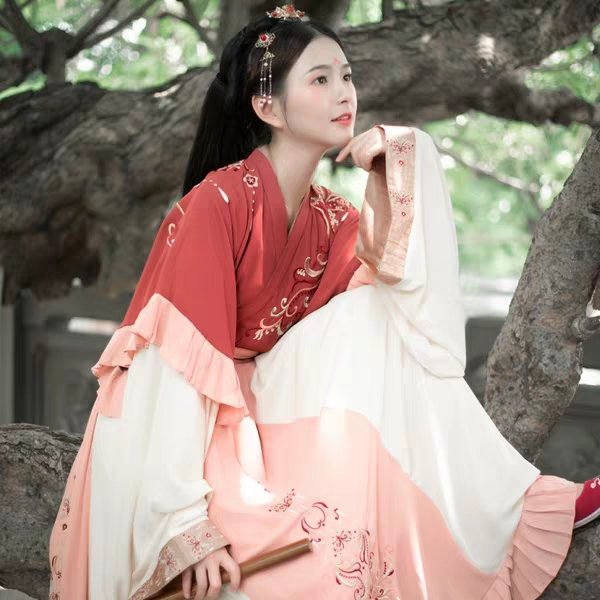
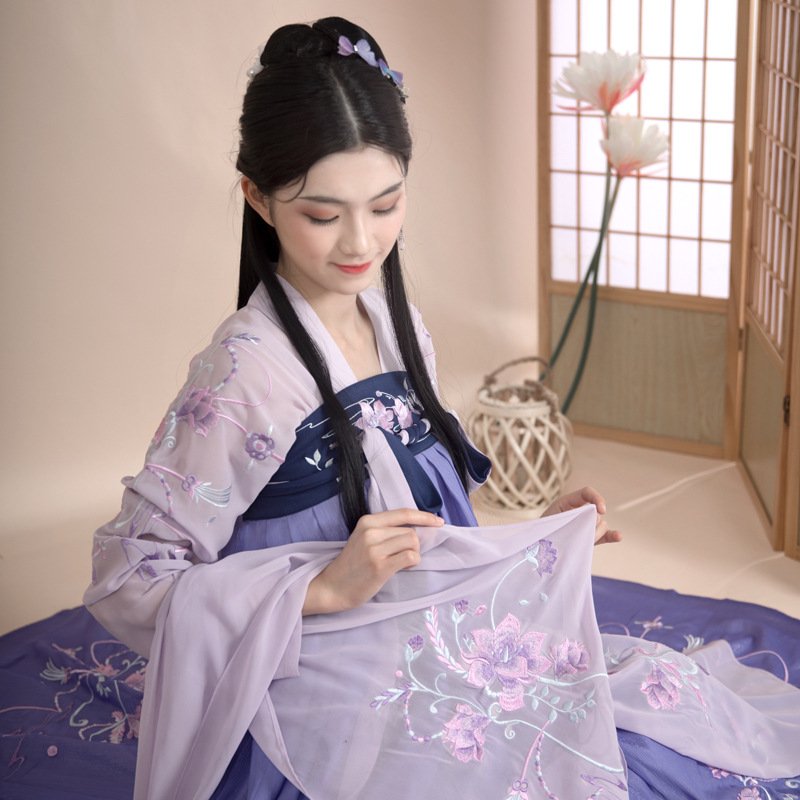
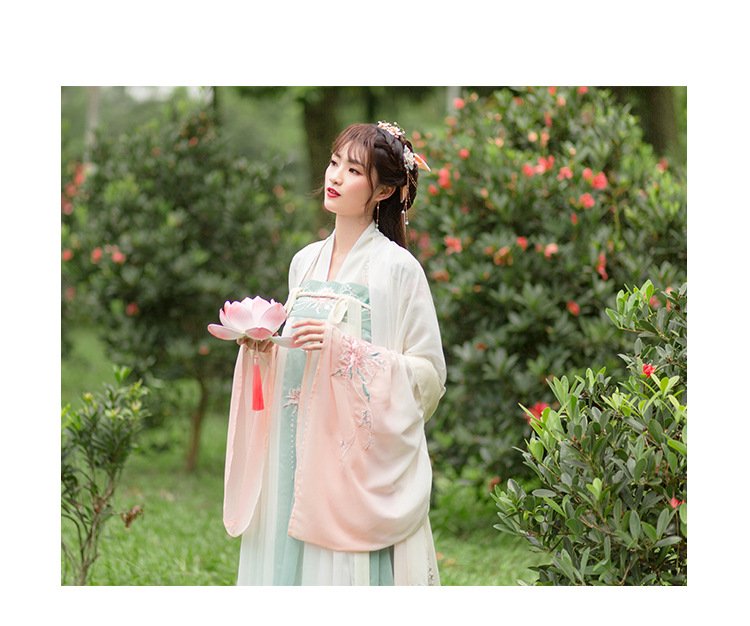
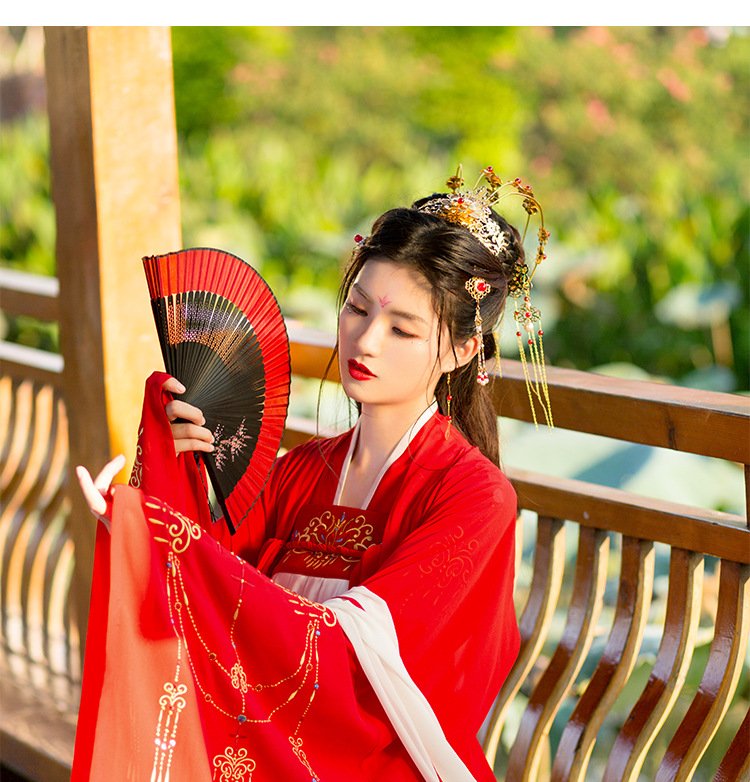
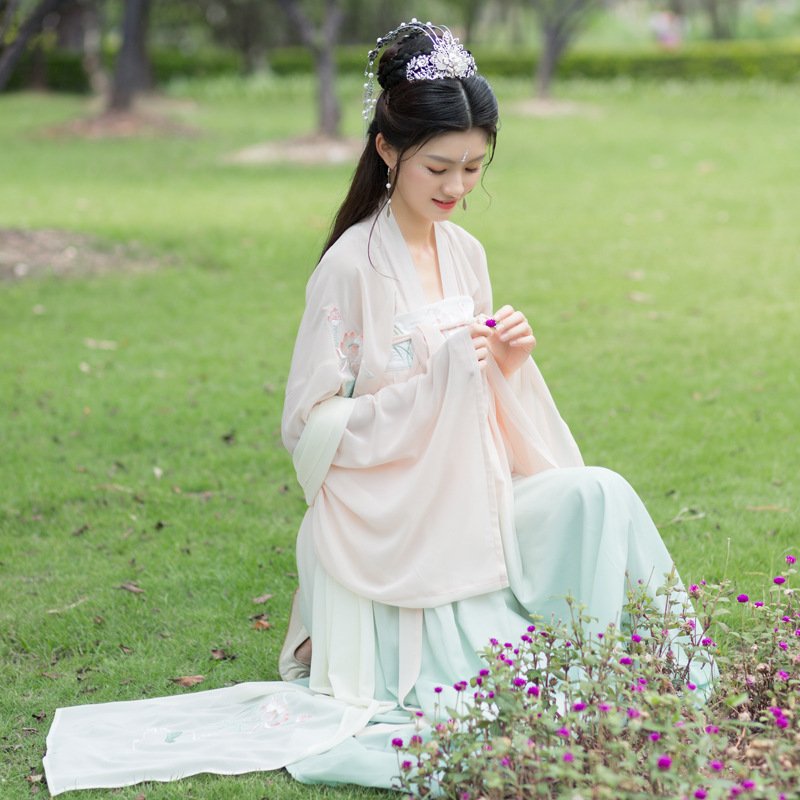
Hanfu, the traditional attire of the Han Chinese, is not only a symbol of cultural heritage but also a vibrant fashion trend in modern times. These exquisite garments embrace elegance, grace, and historical significance. In this article, we will delve into everyday Hanfu outfits, exploring their versatility and adaptability to different seasons. Join us on this sartorial journey as we showcase the splendor of Hanfu throughout the year. I. Spring Hanfu Fashion:As the world awakens from winter’s slumber, spring breathes new life into our surroundings, and Hanfu outfits reflect this revitalization. The gentle warmth of this season calls for light and flowing fabrics such as silk or cotton. Delicate floral patterns and pastel hues dominate the palette, creating a poetic and ethereal atmosphere. Spring Hanfu outfits often feature layered skirts, flowing robes, and embellished accessories, bringing a touch of elegance to daily wear. II. Summer Hanfu Fashion:In the midst of sweltering heat, Hanfu outfits offer a respite with their breathable and loose-fitting designs. Comfort takes precedence during the summer season, and lightweight materials such as linen and chiffon become staples. Hanfu enthusiasts opt for open-collar tops, loose trousers, and shorter skirts to stay cool without compromising on style. Palettes tend to be vibrant, incorporating bold patterns and contrasting colors. Flowing sleeves and intricate embroidery give summer Hanfu outfits a subtly sophisticated charm. III. Autumn Hanfu Fashion:As the air turns crisp and leaves transform into a myriad of hues, autumn brings a sense of nostalgia and tranquility. Earth-toned hues and heavier fabrics like brocade and velvet dominate autumn Hanfu fashion. Layers become a pivotal element in creating versatile outfits, with long robes, embroidered jackets, and fur-trimmed accessories making appearances. Intricate patterns inspired by nature showcase the beauty of falling leaves, and warm-toned accent colors complete the autumnal aesthetic. IV. Winter Hanfu Fashion:In the depths of winter, Hanfu outfits find inspiration from the imperial court attire of ancient dynasties. Luxurious fabrics such as silk brocade and velvet are layered to provide warmth and grandeur. Fur-trimmed collars, thick embroidered outerwear, and voluminous skirts help preserve body heat while exuding regality. Rich jewel tones and intricate metallic embellishments add a touch of opulence to winter Hanfu fashion, making it perfect for festive occasions or formal gatherings. V. Accessories and Styling Tips:Accessories play a crucial role in completing the Hanfu ensemble. Tasselled belts, embroidered shoes, and exquisite hair ornaments give a finishing touch to every outfit. In terms of hairstyles, elaborate updos like the traditional Ming-style bun or loose, braided hairstyles complement the gracefulness of Hanfu. Additionally, the art of layering different garments allows for customization according to personal preferences and weather conditions. Conclusion:Hanfu outfits, with their timeless beauty and adaptability, offer a unique perspective on everyday fashion. Whether it’s the blooming spring, scorching summer, tranquil autumn, or frosty winter, Hanfu fashion provides a distinctive way to express individuality through clothing. By exploring the versatility and allure of Hanfu throughout the seasons, we not only pay homage to China’s cultural heritage but also embrace a fashion aesthetic that harmonizes tradition with modernity.

Elegant and Versatile: Everyday Hanfu Outfits for Every Season Read More »

hanfu wedding

Hanfu Traditional Weddings: Unveiling Elegance, Symbolism, and Customs

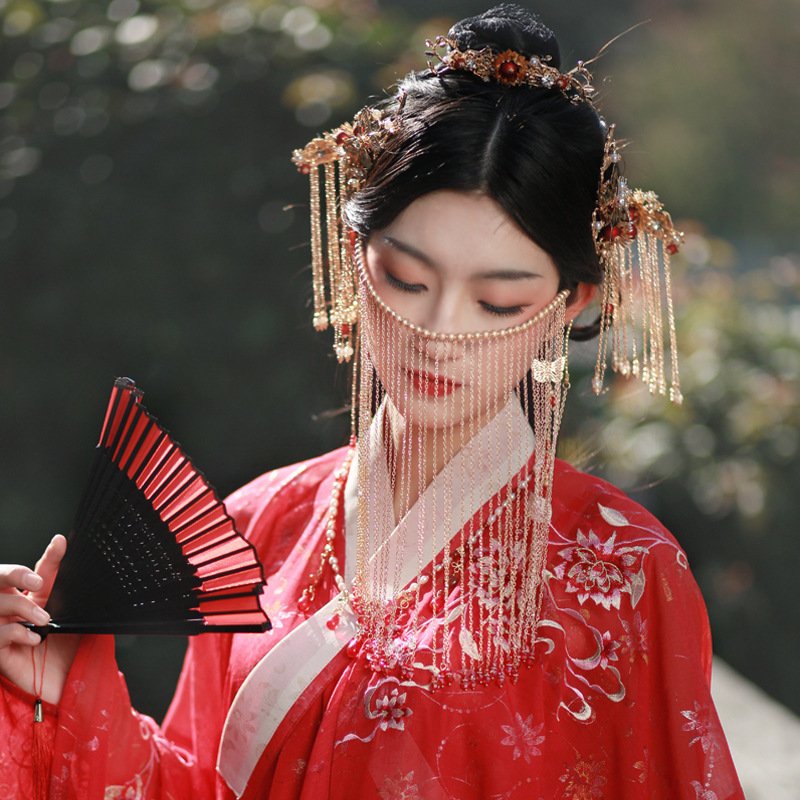
Introduction:Hanfu, the traditional attire of the Han Chinese, carries with it a rich cultural heritage that is deeply rooted in history. Hanfu traditional weddings, in particular, reflect the essence of Chinese cultural traditions and showcase the grace, elegance, and profound rituals associated with this sacred celebration. In this article, we will explore the exquisite Hanfu wedding costumes and delve into the captivating etiquette customs that make Hanfu weddings a truly spectacular affair. I. Hanfu Wedding Costumes: Graceful Attire from the PastA. The Bride’s Attire: B. The Groom’s Attire: II. Etiquette Customs: Traditions that Bind HeartsA. Pre-Wedding Rituals: B. The Wedding Day Rituals: III. Symbolism and Significance:A. Colors: Red symbolizes good fortune, joy, and prosperity, while gold represents wealth and prestige. B. Numbers: The number eight brings luck and abundance, while the number nine signifies eternity and unity. C. Auspicious Decorations: Conclusion:Hanfu traditional weddings offer an enchanting glimpse into China’s rich cultural heritage by seamlessly blending elegance, symbolism, and customs. The meticulous attention to detail in Hanfu wedding costumes, combined with the profound etiquette customs, make these celebrations memorable and symbolic. As we cherish and preserve these traditions, we ensure that the legacy of Hanfu weddings continues to thrive, serving as a testament to the deep-rooted cultural identity of the Han Chinese.

Hanfu Traditional Weddings: Unveiling Elegance, Symbolism, and Customs Read More »

Chinese Hanfu

Exploring the Exquisite Diversity of Hanfu: A Comprehensive Guide to Different Hanfu Styles

Introduction:Hanfu, also known as traditional Chinese clothing, is a timeless ensemble that embodies the rich cultural heritage of China. Throughout the centuries, Hanfu has gone through various transformations, reflecting different dynasties, social statuses, and regional influences. In this article, we will delve into the fascinating world of Hanfu and explore the distinctive styles that have graced Chinese history. From the extravagant robes of the Tang Dynasty to the elegant simplicity of the Han Dynasty, each style showcases a unique charm, making Hanfu a treasured cultural symbol. I. Hanfu through the Dynasties:A. Qin and Han Dynasties: B. Tang Dynasty: C. Song Dynasty: D. Ming Dynasty: E. Qing Dynasty: II. Regional Styles of Hanfu:A. Northern Style: B. Southern Style: C. Central Style: III. Special Occasion Hanfu:A. Traditional Wedding Hanfu: B. Celebratory Hanfu: C. Scholar Hanfu: IV. Contemporary Adaptations:A. Modern Hanfu Revival: B. Fusion Hanfu: Conclusion:Hanfu is a testament to the enduring beauty and cultural significance of traditional Chinese attire. Its breathtaking diversity, from dynasty to region and occasion, showcases the rich history and artistic craftsmanship of ancient China. Whether worn for a special event or as a part of modern-day fashion choices, Hanfu continues to inspire admiration and embrace the essence of Chinese heritage. As we rediscover and cherish this extraordinary attire, Hanfu symbolizes a connection to our past and an appreciation for the everlasting elegance it embodies.

Exploring the Exquisite Diversity of Hanfu: A Comprehensive Guide to Different Hanfu Styles Read More »

Chinese Hanfu

Chinese Hanfu: Embracing Cross-Cultural Exchange

Introduction: The Chinese civilization boasts a rich history interwoven with diverse cultural traditions, among which the exquisite garments known as Hanfu hold a special place. Hanfu, with its elegant aesthetics and deep cultural significance, has garnered interest and admiration not only within China but also across the globe. However, an ongoing discussion revolves around the question of whether non-Chinese individuals can don Hanfu and respectfully participate in this ancient cultural practice. In this article, we delve deeper into this matter, exploring the cultural context, historical significance, and the evolving nature of Hanfu as it embraces cross-cultural exchange. Understanding Hanfu: Hanfu refers to the traditional clothing worn by the Han Chinese, the largest ethnic group in China, spanning over two thousand years of history. Its distinct design elements, such as cross-collar, wide sleeves, and flowing dresses, showcase the natural grace and beauty of the individual. Hanfu embodies a deep connection between clothing, culture, and philosophy, reflecting Confucian values of respect, harmony, and modesty. Historical Significance: To appreciate the implications of non-Chinese individuals wearing Hanfu, we must delve into its historical significance. Hanfu symbolizes the wisdom, poetry, and elegance of ancient Chinese civilization. It embodies a collective memory of culture, rituals, and social hierarchy. Wearing Hanfu offers a unique opportunity for individuals, regardless of their cultural background, to immerse themselves in the richness of Chinese history and heritage. Cultural Understanding and Sensitivity: While appreciation and celebration of Hanfu by non-Chinese individuals can be a positive outcome of cultural exchange, it is imperative to approach it with sensitivity and respect. Understanding the cultural nuances, the historical context, and the significance of Hanfu are vital steps in engaging with this traditional attire. By doing so, non-Chinese individuals can ensure that they participate in this practice in a culturally appropriate and informed manner. Guidelines for Non-Chinese Individuals: To wear Hanfu respectfully, non-Chinese individuals can follow certain guidelines that promote cultural sensitivity and appreciation: Benefits of Cross-Cultural Exchange: Cross-cultural exchange offers numerous benefits, not only for individuals but also for the preservation and promotion of cultural heritage: Conclusion: The topic of whether non-Chinese individuals can wear Hanfu is a complex and nuanced one. It calls for a delicate balance between appreciating cultural heritage and promoting cross-cultural exchange, while ensuring cultural sensitivity and respect. By understanding the historical significance, engaging in respectful dialogue, and following guidelines to wear Hanfu respectfully, non-Chinese individuals can participate in this cultural practice in a meaningful and positive manner. As our world becomes increasingly interconnected, embracing cultural diversity and engaging in cross-cultural exchange can bridge gaps, foster understanding, and celebrate the beauty of traditional attire like Hanfu.

Chinese Hanfu: Embracing Cross-Cultural Exchange Read More »

Chinese Hanfu

chinese hanfu culture

Chinese Hanfu is a traditional dress that has a long history dating back to ancient times. It is a unique and significant aspect of Chinese culture, and has undergone various changes throughout history. In this article, we will explore the ancient and modern Chinese Hanfu culture, and delve into the historical and cultural significance of this traditional dress. Ancient Chinese Hanfu Culture: The origins of Hanfu can be traced back to the Zhou Dynasty (1046-256 BC). During this time, Hanfu was worn by both men and women, and was characterized by its elaborate designs and intricate embroidery. Hanfu was worn by people of all classes, but the designs and styles varied depending on one’s social status. In the Han Dynasty (202 BC-220 AD), Hanfu became more streamlined and simplified. The designs became more practical, and the embroidery was less elaborate. During this time, Hanfu also became more closely associated with Confucianism, as it was seen as a way to display one’s respect for tradition and hierarchy. In the Tang Dynasty (618-907 AD), Hanfu underwent a resurgence in popularity. The designs became more elaborate once again, and were heavily influenced by the fashions of neighboring countries such as Korea and Japan. During this time, Hanfu became an important symbol of national identity, and was worn by scholars, officials, and the imperial family. In the Ming Dynasty (1368-1644 AD), Hanfu once again underwent a transformation. The designs became more conservative and practical, and were influenced by the fashions of the previous dynasties. During this time, Hanfu became more closely associated with the upper classes, and was often worn as a way to display one’s wealth and social status. Modern Chinese Hanfu Culture: In recent years, there has been a resurgence of interest in Hanfu among the younger generation in China. This revival has been driven in part by social media, which has allowed people to share their love for Hanfu with others. Modern Hanfu has been influenced by both traditional designs and contemporary fashion. Hanfu is now seen as a way to express one’s individuality, and to connect with Chinese culture and history. Many people wear Hanfu for special occasions, such as weddings, festivals, and cosplay events. Despite the growing popularity of Hanfu, there has also been some controversy surrounding its revival. Some critics argue that Hanfu is an outdated and impractical garment that is unsuitable for modern life. Others see it as a way to reconnect with China’s rich cultural heritage. Conclusion: Chinese Hanfu culture is a fascinating and complex topic, with a rich history dating back thousands of years. From its origins in the Zhou Dynasty to its revival in modern times, Hanfu has played an important role in Chinese culture and identity. Today, Hanfu continues to evolve and change, as people seek to balance tradition and modernity in their attire. Whether seen as a symbol of national identity or a way to express one’s individuality, Hanfu remains an enduring part of Chinese culture.

chinese hanfu culture Read More »

royal chinese traditional dress hanfu

royal chinese traditional dress hanfu

Chinese royal traditional clothing Hanfu pays attention to nobility and elegance. In different historical periods and dynasties, the color, shape, and pattern of royal traditional Hanfu are different. Introduction: Hanfu, the traditional costume of Han Chinese people, has a rich cultural heritage that dates back thousands of years. The term “Hanfu” literally means “Han clothing”, referring to the clothing styles worn by the Han ethnic group from ancient times to the present day. In particular, royal Hanfu, the attire worn by the emperors and empresses of various dynasties, represents the pinnacle of traditional Chinese costume design, incorporating rich symbolism and aesthetic elements. In this article, we will explore the types and colors of royal Hanfu in different historical periods and dynasties. The Types of Hanfu: Hanfu has a wide variety of styles and designs, ranging from simple and elegant to ornate and extravagant. In general, Hanfu can be divided into two main categories: male and female. Each category has its own set of styles and accessories that reflect the social status and cultural values of the wearer. For males, the most common styles of Hanfu are: Ruqun is the most basic Hanfu style for men. It consists of a top (known as a “shenyi”) and a long skirt (known as a “changqun”) that falls straight down from the waist. This style is characterized by its simple and elegant design, and is often worn by scholars and officials. Daopao is a more formal Hanfu style that originated in the Tang dynasty. It consists of a long robe (known as a “daopao”) with wide sleeves and a high collar. This style is often made of rich fabrics such as silk and brocade, and is typically worn by high-ranking officials and nobility. Zhiduo is a style of Hanfu that was popular during the Song dynasty. It is similar to the ruqun, but features a much shorter skirt that ends just above the knee. This style is often worn by scholars and literati, and is considered to be a more casual and comfortable option. For females, the most common styles of Hanfu are: Qixiong ruqun is the most popular style of Hanfu for women. It consists of a top (known as a “daxiushan”) and a long skirt (known as a “qun”) that are both pleated. This style is known for its elegant and graceful appearance, and is often worn by women of all social classes. Beizi is a style of Hanfu that originated in the Tang dynasty. It consists of a short jacket (known as a “beizi”) and a long skirt (known as a “changqun”) that is slit on the sides. This style is often made of luxurious fabrics such as silk and is typically worn by high-ranking women. Aoqun is a style of Hanfu that was popular during the Ming and Qing dynasties. It consists of a long robe (known as a “ao”) that is buttoned up the front and a long skirt (known as a “qun”) that is also pleated. This style is often made of rich fabrics such as silk and brocade, and is typically worn by women of noble status. The Colors of Royal Hanfu: The colors of royal Hanfu play an important role in conveying the social status and symbolic meanings of the wearer. In general, the colors of Hanfu can be divided into five main categories: black, white, red, green, and yellow. Black Hanfu is typically worn by officials and literati, as well as by mourners at funerals. White Hanfu is associated with purity and innocence, and is often worn by scholars and brides. Red Hanfu symbolizes good fortune and happiness, and is often worn by brides and for festive occasions. Green Hanfu is associated with nature and the environment, and is often worn by scholars and officials. Yellow Hanfu is considered to be the most prestigious color, and is reserved exclusively for the emperor and the imperial family. In different dynasties and historical periods, the colors of Hanfu also vary. For example, during the Tang dynasty, dark colors such as black, blue, and purple were popular, while during the Song dynasty, pastel colors such as light blue and pink became more fashionable. During the Ming and Qing dynasties, bright colors such as red and yellow were favored by the imperial court. Conclusion: In conclusion, royal Hanfu is a rich and intricate art form that reflects the cultural heritage and social values of China throughout history. Hanfu has a wide variety of styles and colors, each with its own symbolic meanings and cultural significance. Whether simple or ornate, Hanfu represents the essence of traditional Chinese costume design, and remains an important cultural icon today.
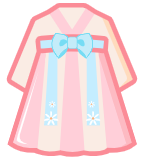

royal chinese traditional dress hanfu Read More »

Chinese Hanfu

why do chinese wear hanfu?

Hanfu, a traditional Chinese costume, has gained popularity in recent years as an alternative fashion choice for modern Chinese youth. But the history of Hanfu goes much deeper than just fashion. In this article, we will take a look at the reasons why Chinese people wear Hanfu, and its significance throughout history. Origins of Hanfu Hanfu, which literally means “Han clothing”, refers to the traditional clothing worn by the Han people, the largest ethnic group in China. The earliest record of Hanfu can be traced back to the Shang Dynasty (16th-11th century BCE), when people wore simple robes made from animal hides. During the Zhou Dynasty (1046-256 BCE), the Hanfu style began to evolve, and different styles emerged in different regions. For example, the “ruqun” style of Hanfu, which consists of a blouse and a skirt, originated in the Northern Wei Dynasty (386-534 CE). During the Han Dynasty (206 BCE – 220 CE), the Hanfu style became standardized, with the Hanfu dress consisting of upper and lower garments, including a robe, skirt, jacket, and undershirt. The style continued to evolve during the Tang Dynasty (618-907 CE), when the Hanfu style became more colorful and extravagant, incorporating silk and embroidery. Why Do Chinese People Wear Hanfu? One reason why Chinese people wear Hanfu is to revive and promote Chinese culture. During the Qing Dynasty (1644-1912 CE), the Manchu people took control of China and imposed their own clothing style on the Han people, known as the “qipao”. This led to the decline of Hanfu, and the traditional clothing was excluded from daily life. In recent years, Chinese people have been trying to revive and re-introduce Hanfu to the mainstream by wearing it on special occasions or in daily life. Wearing Hanfu can also be a way for Chinese people to express their sense of identity and pride in their heritage. With the cultural impact of globalization, many young Chinese people have started to look back at their roots and take pride in their cultural heritage. By wearing traditional Hanfu, they are asserting their identity and affirming their connection to their Chinese roots. In addition to cultural and identity reasons, there is also an aesthetic appeal to Hanfu. The flowing, loose-fitting garments and stunning embroidery work make Hanfu a stylish and elegant choice for both men and women. Many Hanfu enthusiasts enjoy the feeling of wearing these beautiful garments and appreciate the artistry that goes into creating them. Significance of Hanfu Hanfu is not just a piece of clothing, but also carries significant cultural and historical meaning for the Han people. For example, the “hanfu movement” that emerged in recent years is not just about wearing Hanfu, but also involves reclaiming Chinese culture and heritage. Hanfu provides a connection to the past and offers a way to preserve traditional Chinese art and craftmanship. In addition, Hanfu has been worn by Chinese people during important cultural events such as weddings, coming-of-age ceremonies, and academic examinations. The clothing symbolizes respect, admiration, and loyalty to traditional Chinese values and customs. Conclusion In sum, Chinese people wear Hanfu for a variety of reasons: to revive and promote Chinese culture, to express their sense of identity, and for the aesthetic appeal of the garments themselves. But beyond its fashion appeal, Hanfu represents a connection to the past and a way to preserve traditional Chinese culture and heritage. With its rich history and significance, it is no surprise that Hanfu has become a beloved choice for many modern Chinese people.

why do chinese wear hanfu? Read More »

Chinese Hanfu

how to make a chinese hanfu dress

Making a Chinese hanfu dress is a complex process that requires careful planning, cutting, and sewing. Here is a step-by-step guide on how to make a simple hanfu dress: Materials needed: Step 1: Take measurementsMeasure your chest, waist, and hip circumference, as well as the length from your shoulder to your ankle. These measurements will be used to create the pattern for your hanfu dress. Step 2: Create the patternUsing your measurements, create a pattern for the dress by drawing it onto paper. Divide the dress into three parts: the upper body, the skirt, and the sleeves. Make sure to add extra fabric around the edges for seam allowances. Step 3: Cut the fabricUsing the pattern as a guide, cut the fabric for the dress. Be sure to cut out all pieces accurately and to the correct size. Step 4: Sew the upper bodyUsing a sewing machine or hand-sewing needle and thread, sew the upper body of the hanfu dress together. Start by sewing the front and back pieces together at the shoulders, then attach the sides of the dress. Hem the edges of the sleeves and neckline. Step 5: Create the skirtFold the fabric for the skirt in half and sew the side seams together using a sewing machine or hand-sewing needle and thread. Hem the bottom of the skirt. Step 6: Attach the skirt to the upper bodyLay the skirt flat and attach it to the upper body of the dress, starting at the waistline. Hem the edges where the skirt and upper body meet. Step 7: Add finishing touchesAdd any additional details or embellishments to the dress, such as a waistband or decorative embroidery. Congratulations! You have now successfully made your own Chinese hanfu dress.

how to make a chinese hanfu dress Read More »

Chinese dynasties hanfu

Chinese dynasties hanfu

Hanfu is a traditional clothing style of the Han ethnic group in China, and it has a long history spanning several dynasties. To write a thorough introduction to Hanfu in the past dynasties, we can first start with a brief history of Hanfu. The earliest records of Hanfu can be traced back to the pre-Qin period (c. 2100–221 BCE). During the Han dynasty (206 BCE–220 CE), Hanfu became more standardized in terms of design and became formalized as the traditional attire for court officials. In the Tang dynasty (618–907), Hanfu became more diverse in its styles, fabrics and colors. The Song dynasty (960–1279) saw the emergence of a more streamlined and elegant style that has influenced Hanfu designs to this day. Each dynasty had its own distinctive styles of Hanfu that reflected the cultural and social values of the time. For example, the Han dynasty style was characterized by long robes with flowing sleeves and a high, upright collar. The Tang dynasty style featured colorful and elaborate designs, and the Song dynasty style was marked by simplicity and elegance. It’s also important to discuss the cultural background behind Hanfu in the past dynasties. Hanfu was not just a piece of clothing, but a representation of social status, cultural identity and aesthetics. Each style of Hanfu reflected the changing times, and the cultural values that emerged during that period. For example, the Tang dynasty Hanfu with its bright colors and intricate designs reflected the Tang dynasty’s prosperous and cosmopolitan culture, while the Song dynasty’s more restrained and elegant style reflected its literati culture. To write a detailed introduction to Hanfu in the past dynasties, we can provide examples of the different styles of Hanfu during different dynasties, and discuss the cultural context that influenced these styles. We can also delve into the symbolism and cultural significance of Hanfu, such as how certain designs and fabrics were associated with different social classes or occasions. According to the order of dynasties, Chinese Hanfu can be divided into Hanfu in the pre-Qin period, Hanfu in the Wei and Jin Dynasties, Hanfu in the Tang Dynasty, Hanfu in the Song Dynasty, and Hanfu in the Ming Dynasty. The forms of Hanfu in different Chinese dynasties are different, and the Hanfu of each dynasty represents a different culture.

Chinese dynasties hanfu Read More »

china hanfu dress

Chinese Hanfu Dresses: A Journey Through Time Hanfu is a traditional Chinese dress that has been worn for centuries by men and women in China. The Hanfu dress has been an integral part of Chinese culture and has undergone changes according to the social and political climate of different dynasties. The Hanfu dress originated from the Xia, Shang, and Zhou dynasties, but it was during the Wei and Jin dynasties (AD 220-420) that Hanfu became more popular. Hanfu, in this era, was known for its simplicity, functionality, and elegance. The dress was made up of a top, a skirt, and an optional outer garment. The top of the Hanfu dress during the Wei and Jin dynasties was long-sleeved and uncollared. The skirt was worn at the waist or hip, depending on the fashion of the time. Women usually wore the skirt at the waist, while men wore it at the hip. The outer garment was worn only in colder climates and was made up of fur or silk. The Song dynasty (AD 960-1279) saw the Hanfu dress undergo a transformation with a more fitted style. The top of the dress had a mandarin collar and the sleeves were shorter. The skirt had a more fitted shape as well and was often pleated. The Song dynasty also saw the rise of the Hanfu hat, which was usually made of silk or other luxurious fabrics. The Ming dynasty (AD 1368-1644) saw Hanfu dresses become more elaborate with richer fabrics such as silk, satin, and brocade. The dress had a more distinct waistline, and embroidery became a popular embellishment. The Ming dynasty also saw the rise of the Hanfu robe, which was often made of silk brocade and could be embroidered with intricate designs. The Hanfu dress experienced a decline during the Qing dynasty (AD 1644-1912) due to Manchu influence, who introduced the qipao dress. However, Hanfu dress has made a comeback in recent years due to a renewed interest in traditional Chinese culture. Today, Hanfu dress is worn not only in China but also by people all over the world who appreciate this magnificent piece of Chinese cultural history. Hanfu dress has become popular in cosplay circles, as well as among fashion enthusiasts who appreciate the intricate designs and quality fabrics used in the dresses. It’s worth noting that Hanfu dresses are most commonly worn during the spring and summer seasons. The dress is made up of breathable fabrics such as silk and cotton, making it comfortable to wear during the warmer months. However, some styles of Hanfu dresses are also suitable for cooler weather, particularly those made of thicker, warmer fabrics such as wool and velvet. In conclusion, the Hanfu dress is a beautiful and significant piece of Chinese cultural heritage that has withstood the test of time and political change. While the dress has undergone changes throughout different dynasties, it remains a symbol of traditional Chinese culture and elegance, and is an appropriate choice for spring and summer events.

china hanfu dress Read More »

Shopping Cart