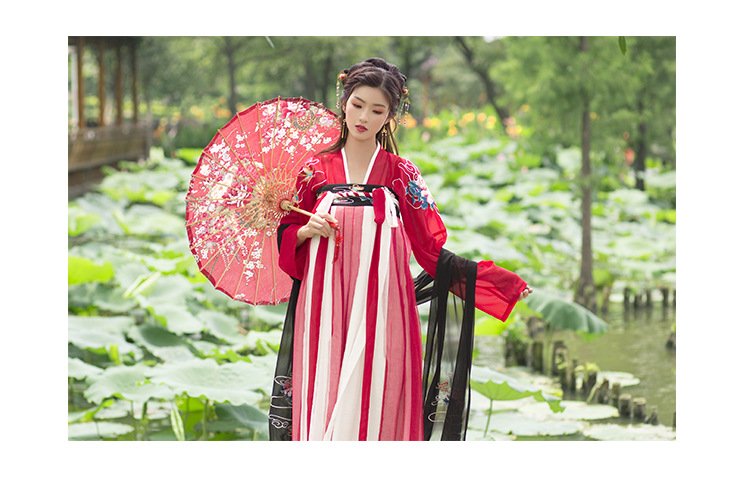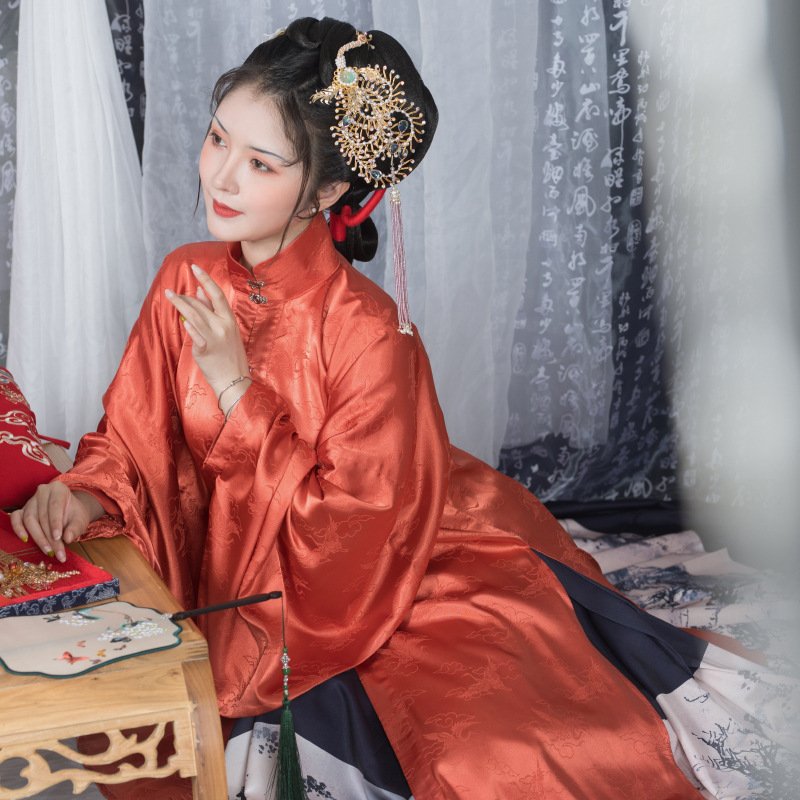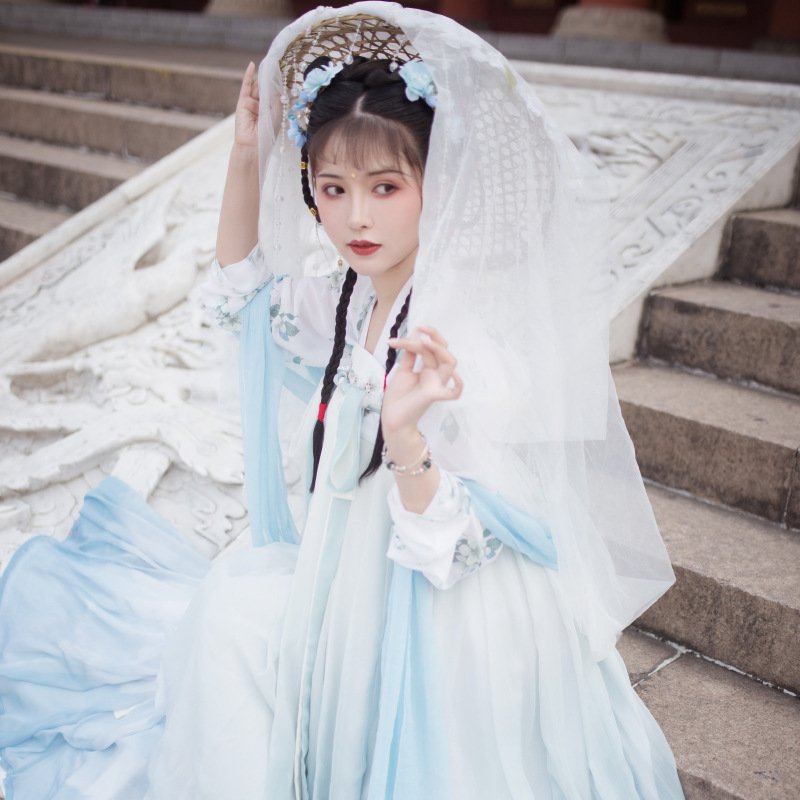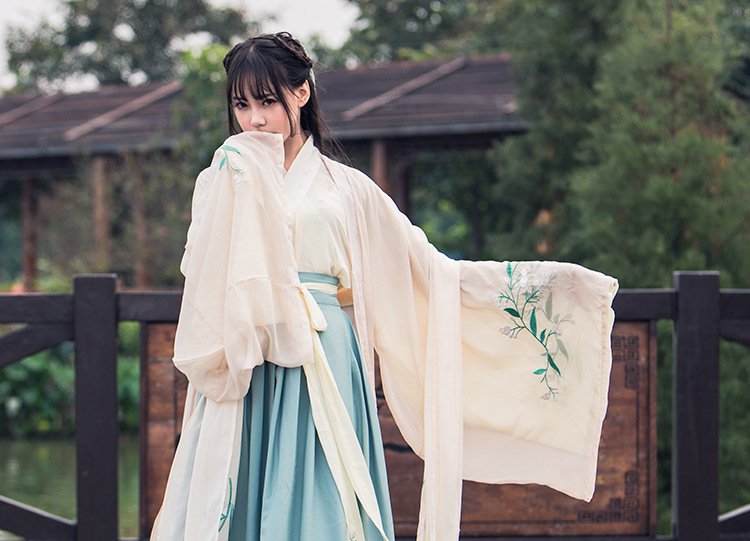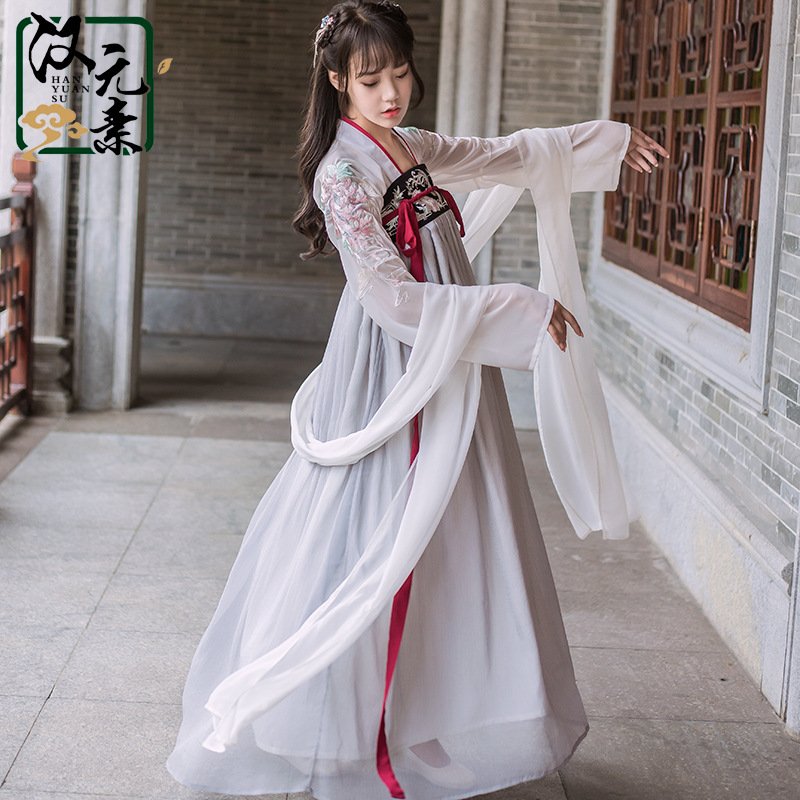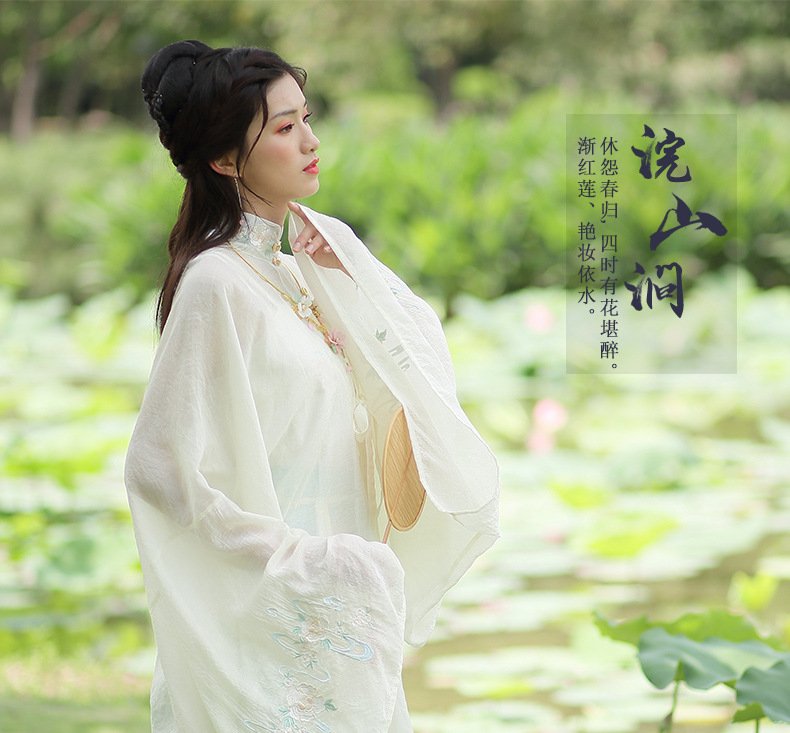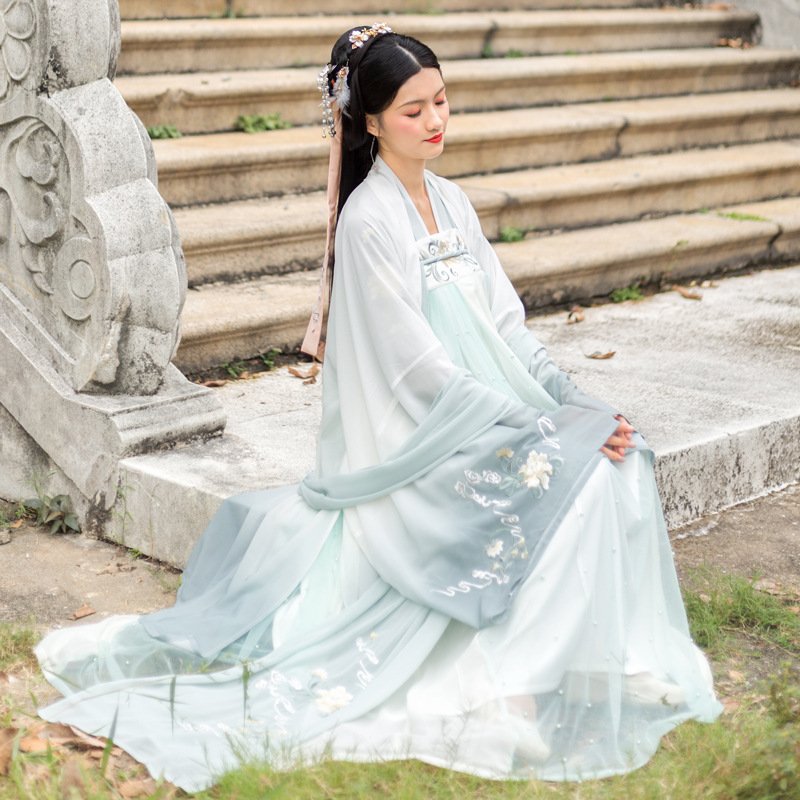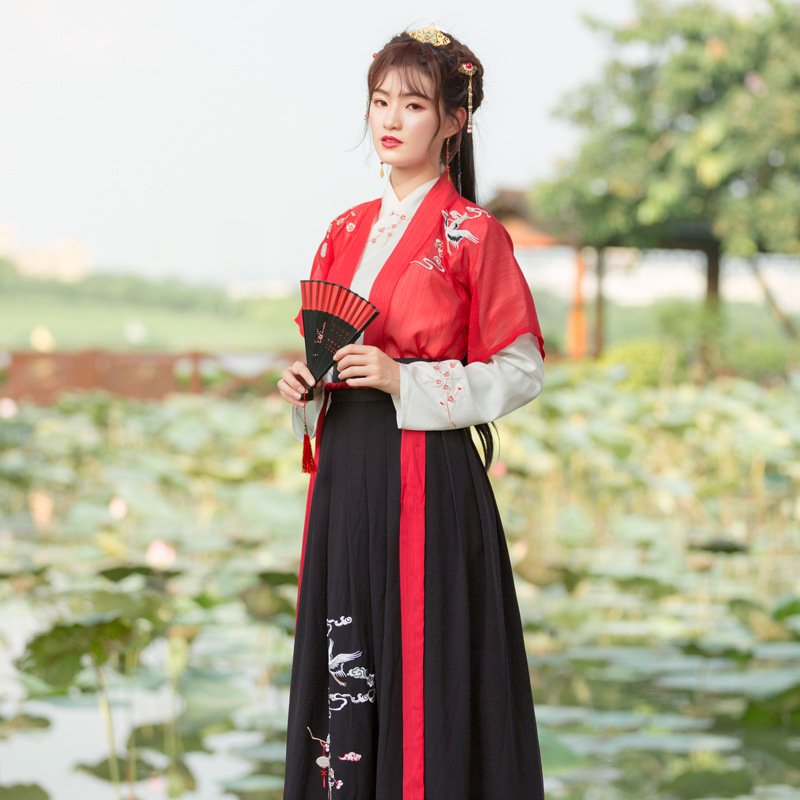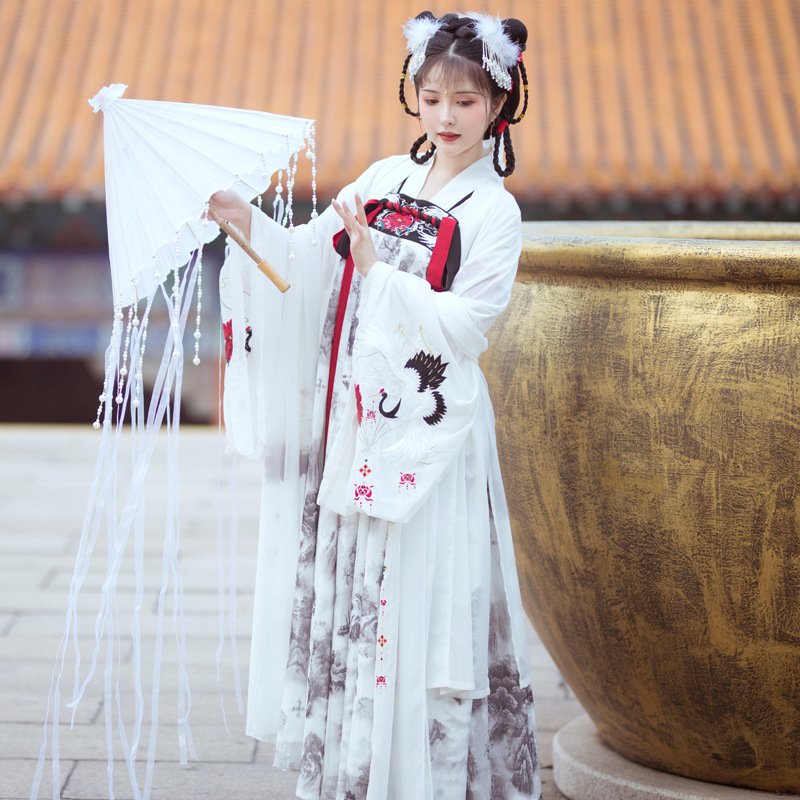
Chinese modern Hanfu dress
Hanfu, the traditional clothing of the Han Chinese, has a rich history that dates back thousands of years. Rooted in ancient traditions and cultural influences, Hanfu has endured countless transformations over time. In recent years, a resurgent interest in this traditional attire has sparked a revival, leading to the emergence of modern Hanfu clothing. In this article, we will explore the popular clothing types and colors found in modern Hanfu, showcasing how this ancient attire continues to captivate and inspire people in the contemporary era. I. The Renaissance of Hanfu: From Past to Present Hanfu, the traditional clothing of the Han Chinese, carries deep historical and cultural significance. In ancient times, Hanfu was worn by people of different social classes and was characterized by its elegance, flowing silhouettes, and intricate details. However, the popularity of Hanfu declined over the years due to social and political shifts. It was not until the late 20th century that a revival of interest in Hanfu began, fueled by a desire to reconnect with Chinese cultural heritage. II. Modern Hanfu Clothing Types II.a. Ruqun (襦裙): The Classic Hanfu Ensemble Ruqun is one of the most iconic and recognizable Hanfu styles. It consists of a blouse-like top called Ru and a long skirt called Qun. The Ruqun can be further classified into several variations, each characterized by different sleeve lengths, collar styles, and embroidery patterns. Modern adaptations of Ruqun often incorporate contemporary touches while staying true to its traditional aesthetics. II.b. Shan (衫): The Elegance of Traditional Tops Shan refers to the traditional tops worn with the Ruqun ensemble. These tops come in various styles, such as Beizi (loose outer jackets), Dahuaxiyou (with wide sleeves), and Duijin (with overlapping front panels). Shan adds an additional layer of elegance and versatility to the overall Hanfu attire, allowing for different combinations and stylings. II.c. Zhongyi (中衣): The Versatile Undergarment Zhongyi is the inner garment worn beneath the Ruqun or other Hanfu ensembles. It is typically a form-fitting long-sleeved blouse with a high collar. Zhongyi serves as a foundational layer, providing structure and serving as a base for layering other Hanfu pieces. Modern variations of Zhongyi cater to different body types and personal preferences while maintaining the essence of its traditional design. II.d. Xiuhe Suit (袖合袍): Blending Tradition with Modernity The Xiuhe Suit is a fusion of Hanfu and Western fashion elements. It consists of a long robe tied at the waist and features detachable sleeves. This innovative design allows for versatility, as wearers can adjust the sleeves to suit different occasions or personal preferences. The Xiuhe Suit has gained popularity among younger generations, offering a contemporary twist on traditional Hanfu attire. III. Exploring Popular Colors in Modern Hanfu III.a. Traditional Hanfu Colors: A Glimpse into the Ancient Palette Traditional Hanfu colors draw inspiration from nature, symbolic meanings, and historical periods. Qing (青), representing the color of blue-green, is associated with purity and scholarly pursuits. Zuo (紫), the color purple, represents nobility and elegance. Shang (赏), a reddish color, signifies joy and celebration. These traditional colors continue to inspire modern Hanfu enthusiasts, allowing them to connect with the rich cultural heritage of Hanfu. III.b. Modern Color Palette: A Fusion of Tradition and Contemporary Tastes In addition to traditional colors, modern Hanfu designs embrace a broader spectrum of color choices. Vibrant hues, such as deep reds, vibrant yellows, and emerald greens, are combined with pastel shades and metallic tones to create a visually striking fusion of tradition and contemporary tastes. The influence of social media and pop culture has played a significant role in shaping color trends within the modern Hanfu community. IV. The Impact and Significance of Modern Hanfu The growing popularity of modern Hanfu extends beyond the realm of fashion. By reviving and reimagining this traditional attire, modern Hanfu enthusiasts actively participate in cultural preservation, identity reclamation, and cross-cultural dialogue. Through social media platforms and offline events, the Hanfu community comes together to celebrate the beauty and richness of Chinese culture. By embracing diversity, navigating challenges, and fostering inclusive communities, modern Hanfu thrives as a symbol of tradition, innovation, and cultural heritage. V. Trendsetters and Influencers in the Modern Hanfu Community The modern Hanfu movement has gained momentum in recent years, thanks to the contributions of trendsetters and influencers who have played a significant role in promoting and popularizing this traditional attire. These individuals, often active on social media platforms such as Weibo and TikTok, have garnered a large following and have become influential figures within the Hanfu community. These trendsetters and influencers not only showcase their own Hanfu outfits but also offer styling tips, historical insights, and glimpses into the creative process behind their designs. Their content inspires and guides enthusiasts in embracing modern Hanfu fashion while maintaining a deep connection to its historical roots. Fashion designers have also emerged as influential figures within the modern Hanfu movement. They not only create stunning new interpretations of Hanfu but also collaborate with other fashion brands to infuse Hanfu elements into contemporary styles. These collaborations bridge the gap between tradition and modernity, enticing a wider audience to appreciate and embrace Hanfu. Historians and cultural experts dedicated to the research and preservation of Hanfu have also played a vital role in the modern Hanfu movement. Their expertise ensures the authenticity and historical accuracy of modern Hanfu designs, preventing the dilution of its traditional essence. Collaborations between designers and these experts result in Hanfu designs that pay homage to the past while incorporating innovative elements. VI. Hanfu Beyond Fashion: Cultural Preservation and Identity While modern Hanfu has undoubtedly become a fashion phenomenon, its significance goes beyond aesthetics. Hanfu serves as a powerful tool for cultural preservation and reclamation, allowing wearers to reconnect with their Chinese heritage. By donning Hanfu, individuals can express their cultural identity and assert pride in their roots. Hanfu has found its place in various cultural events, festivals, and ceremonies. In traditional Chinese festivals like the Spring Festival and the Mid-Autumn Festival, Hanfu is worn as a