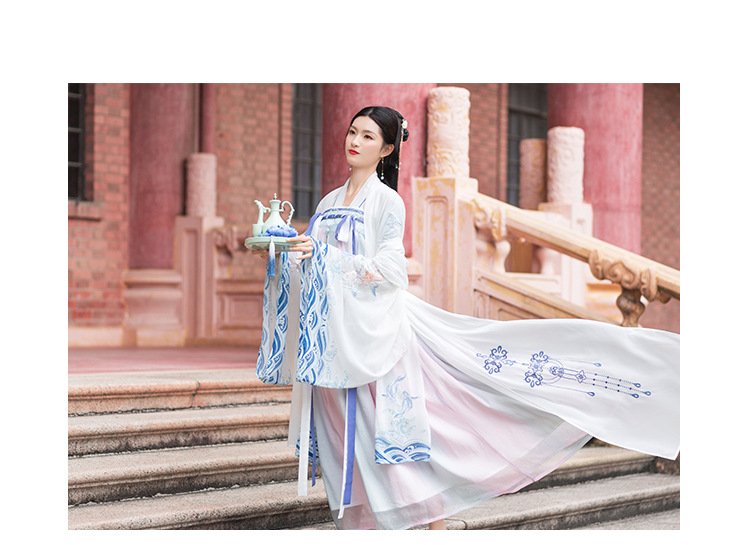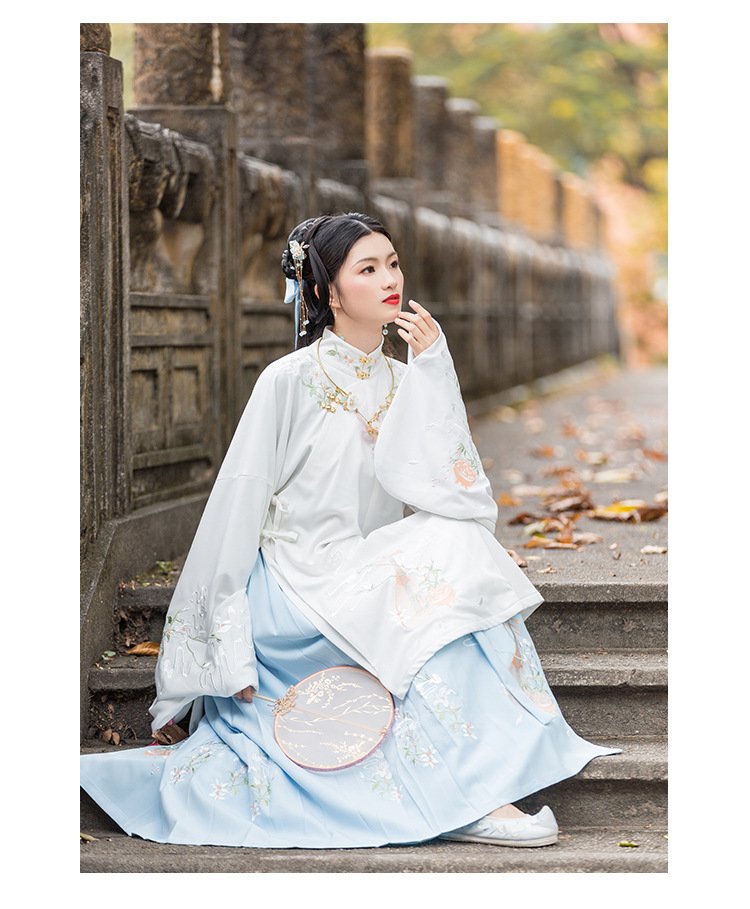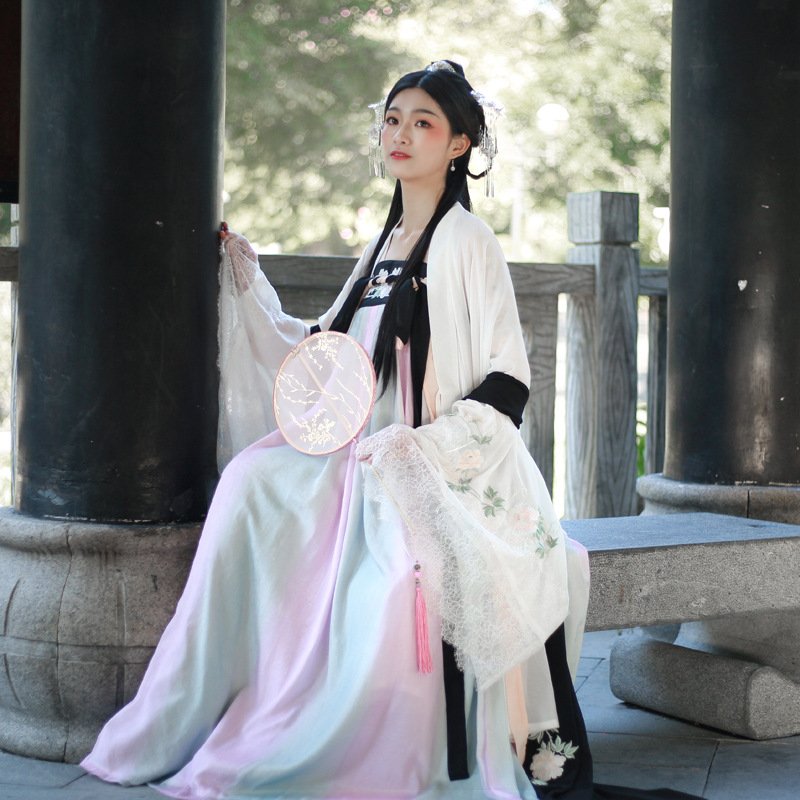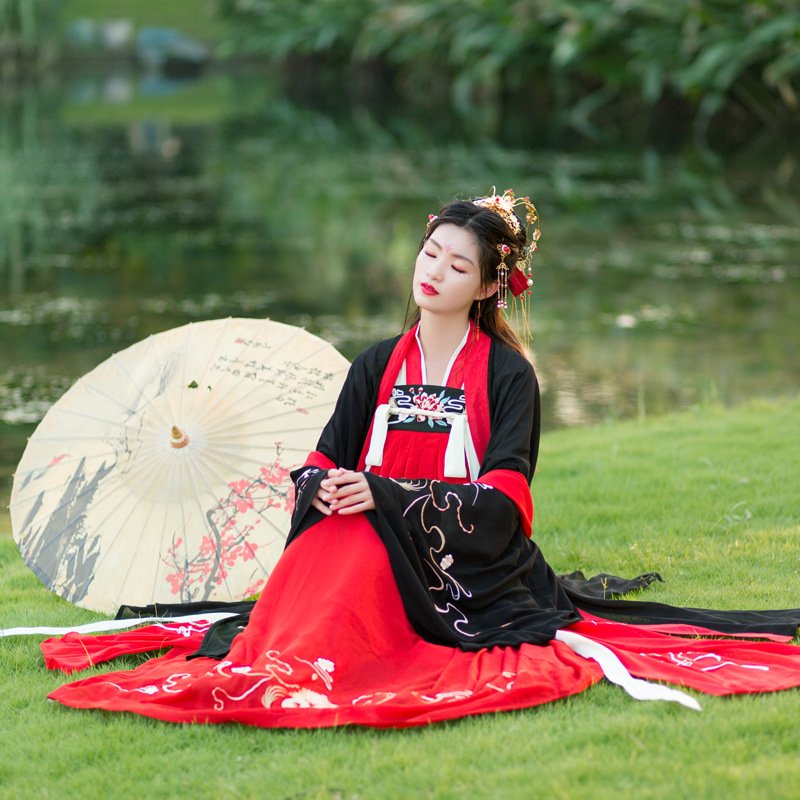


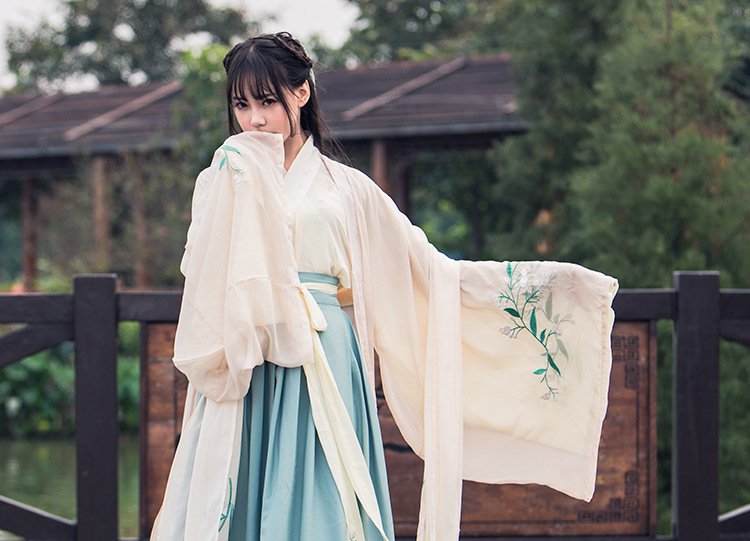
Chinese casual Hanfu
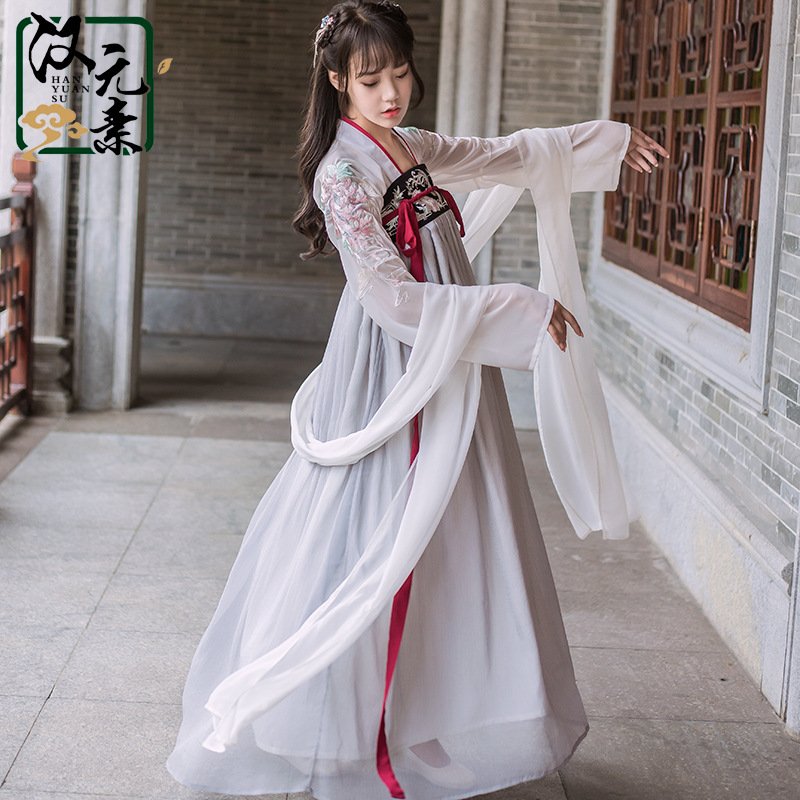
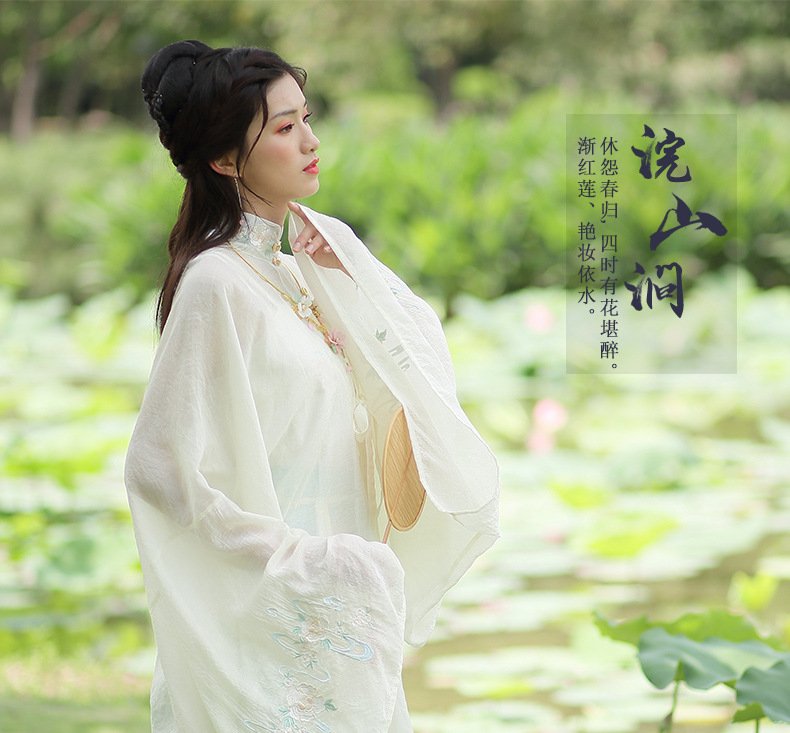
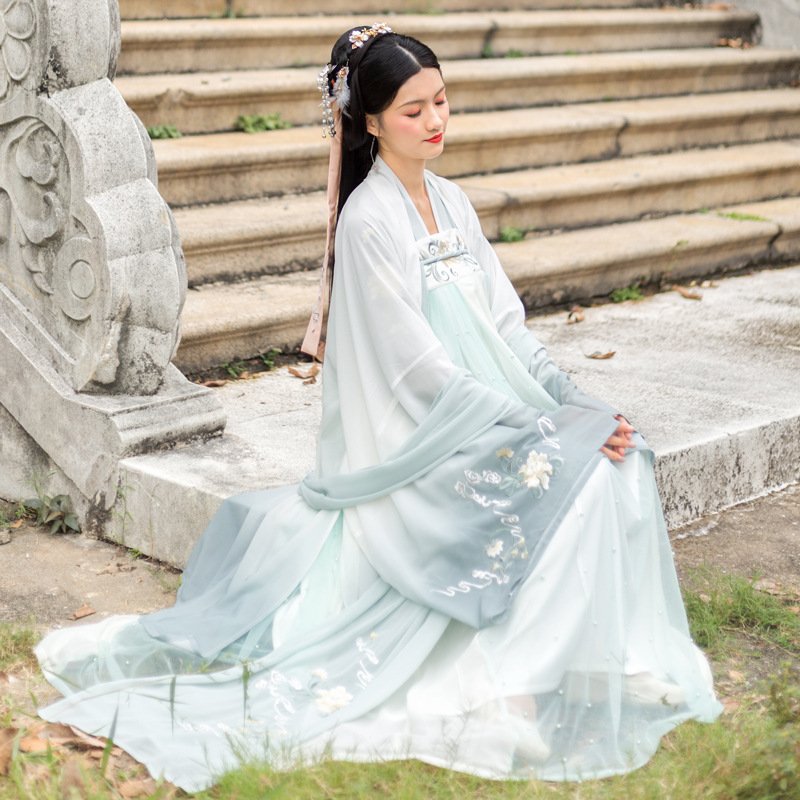
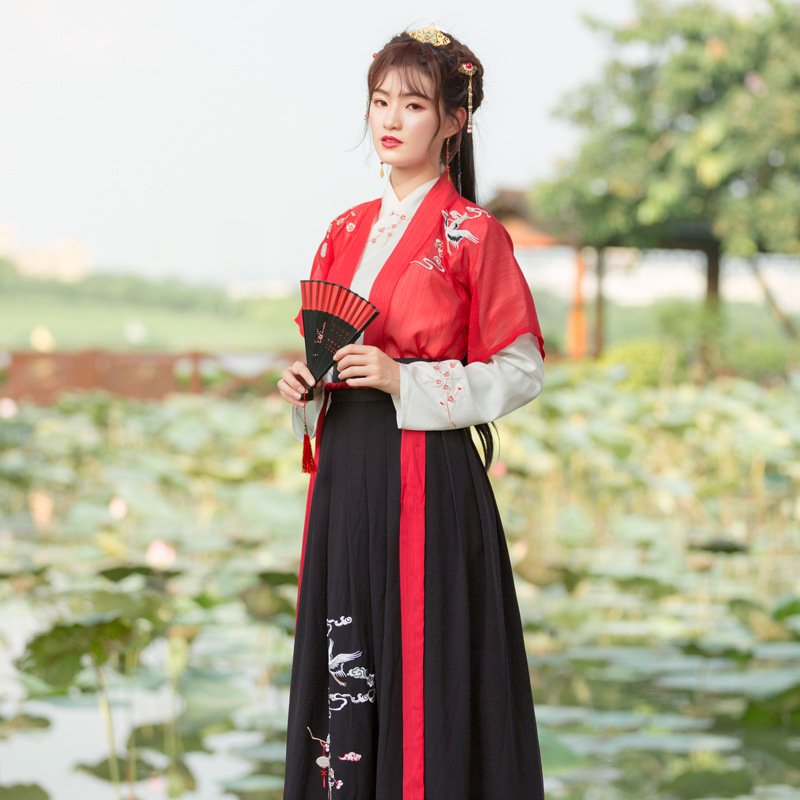
Hanfu, the traditional clothing of the Han Chinese people, is not merely a historical relic but a vibrant cultural emblem that continues to captivate enthusiasts worldwide. While formal Hanfu has gained significant attention, it is the emergence of casual Hanfu that has truly revolutionized the cultural garment’s popularity. In this article, we will delve into the realm of casual Hanfu, exploring its captivating designs and highlighting different types that embrace the essence of tradition with a touch of modern flair. I. Understanding Casual Hanfu: Casual Hanfu refers to variations of traditional Hanfu that have evolved to cater to the dynamic needs of contemporary fashion, promoting comfort, simplicity, and versatility. This adaptation retains the underlying principles and aesthetics of Hanfu while incorporating modern elements, ensuring they can be effortlessly worn for daily or casual occasions. II. Different Types of Casual Hanfu: III. Contemporary Elements in Casual Hanfu: Conclusion: The emergence of casual Hanfu has undoubtedly breathed new life into the traditional clothing of Han Chinese culture. With its ability to strike a balance between tradition and modernity, casual Hanfu offers a renewed sense of pride for enthusiasts and a gateway for newcomers to explore the wonders of this rich cultural heritage. Whether you choose the Ruqun, Beizi and Shan, Zhongyi, or Jiaoling Youren, each type heralds not just a fashionable outfit but a deeper connection to history and the celebration of timeless beauty. With its comfort, versatility, and growing popularity, casual Hanfu is breaking boundaries and transitioning from being solely reserved for special occasions to becoming an integral part of modern wardrobes. This fashion revolution is not only redefining personal style but also empowering individuals to explore their heritage, share their passion for culture, and contribute to the flourishing Hanfu movement. Embrace the enchanting world of casual Hanfu and unlock a world of possibilities, where timeless traditions meet contemporary fashion, creating an extraordinary blend of beauty and cultural significance. Beyond the diverse types mentioned above, there are numerous variations of casual Hanfu created by fashion designers and enthusiasts who aim to push the boundaries of traditional fashion. These variations often blend elements of Hanfu with modern fashion trends, resulting in exciting and innovative looks. One such variation is the fusion of hanfu with street style. By incorporating elements of streetwear into casual Hanfu, enthusiasts have created a unique urban aesthetic that embraces both traditional and contemporary influences. This style often incorporates accessories such as sneakers, baseball caps, or statement belts to add a touch of modernity and urban flair to the outfit. It is perfect for those who wish to showcase their love for Hanfu in a more eclectic and unconventional manner. For those seeking a more relaxed and bohemian vibe, the pairing of Hanfu with natural and earthy elements is a popular choice. This style often incorporates loose-fitting tops with soft and flowing skirts, adorned with intricate floral patterns or nature-inspired embroidery. To complete the look, accessories such as wooden beads, woven baskets, or straw hats are often added. This fusion provides a whimsical and free-spirited aesthetic, ideal for picnics in the park, outdoor festivals, or embracing a carefree day in nature. In recent years, designers have also explored the concept of gender-neutral Hanfu, challenging traditional perceptions of gender roles in fashion. This inclusive approach allows individuals of all genders to express themselves freely through Hanfu. Gender-neutral Hanfu often features more streamlined silhouettes and minimal embellishments, maintaining the essence of traditional Hanfu while adapting to a contemporary and modern mindset. It’s important to note that the popularity of casual Hanfu extends beyond the borders of China. Enthusiasts from around the world have embraced this fashion revolution, contributing to a global community that celebrates and appreciates the beauty of Hanfu. These individuals draw inspiration from their own cultural backgrounds and merge it with Hanfu aesthetic, creating a multicultural fusion that showcases the harmonious coexistence of different traditions. As the popularity of casual Hanfu continues to grow, it has demonstrated its ability to transcend the confines of tradition and merge seamlessly with modern fashion. Through its fusion of comfort, versatility, and cultural heritage, casual Hanfu has become a platform for individuals to express their personal style, bridging the gap between the past and the present. In conclusion, casual Hanfu offers a world of fashion possibilities, allowing individuals to reimagine and reinterpret traditional Chinese attire in a modern context. From the iconic Ruqun to the avant-garde Daxiushan, each style within casual Hanfu presents a unique blend of tradition and contemporary flair. As the movement gains momentum, casual Hanfu is empowering individuals to embrace their cultural heritage, express their personal style, and contribute to the ever-evolving world of fashion. Let casual Hanfu ignite your imagination and take you on a journey where the past merges harmoniously with the present, creating an extraordinary fashion revolution.